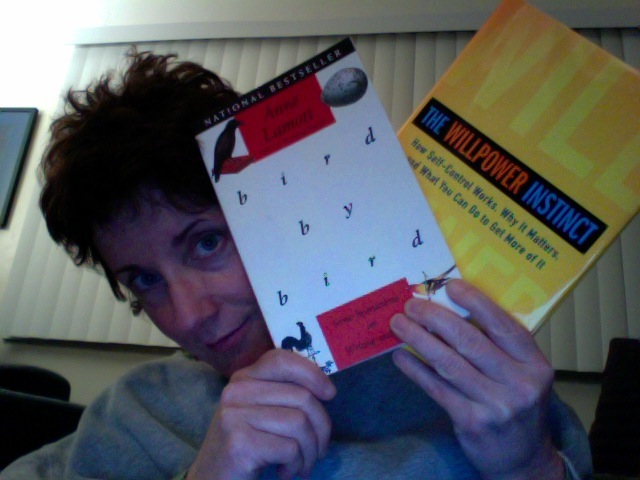

 My bookclub met via Zoom on Wednesday. The book up for discussion was Pema Chodron’s When Things Fall Apart. It was published fifteen years ago but the gifts it offers are timeless. In these extraordinary times we would be well served to keep a copy nearby to dip into when life teeters on the precipice.
Something that was said last night has stuck with me. It was one of those observations that takes us from one point in the conversation to another. Just a toss off – nothing that we lingered on. In the book Pema advices us to breathe. We all agreed it’s easier to watch the news or scroll through Facebook or find a hundred other reasons why sitting still and taking a simple breath is not an option. This morning it’s the plaintive mews from Bruce the Cat.
My alarm rings at 5 AM. Bruce the Cat receives a bit of attention and a dollop of Oh My Cod or Salmon Enchanted Evening. I’m at my desk with a cup of coffee by 5:15 AM. Five mornings a week I gift myself this wonderful hour of quiet solitude but the truth is that, until today, it’s been wasted on me.
My intention is to use this hour that glows with the breaking dawn to write or meditate or do both but as I sip my brew I’m reading daily briefing emails from Huff Post, CNN and the New York Times. Then I’m responding to messages that landed during the night. I cuddle Bruce the Cat for a moment and the next time I look at the clock that golden hour is gone. It’s time to say good morning to Ben the Human, to strap on my running shoes and begin my day.
Distractions. The emails, the social media, the news – during the first hour of my new day they fill my brain until there’s no more room for what fills my heart the same way eating candy before a meal leaves no room for nutrition.
What distracts you from the calls of your heart?
My morning cruise through the news is nothing but a habit. The solution is simple. Break the habit. Create a new routine. Answer the call. Breathe.
We can find the motivation to do this by asking ourselves why it’s important. When we lost the structure to our days a few months ago we laid a new foundation and built a new structure. The foundation for my new reality is this hour. When I choose to scroll through emails the foundation weakens. When I answer the call of my heart – when I write – I feel strengthened.
This dawn hour is important to me because the discipline of writing sets the tone for my day. What do you do to set the tone for your day? To keep your foundation strong?
The 5:40 train to San Francisco rumbled through ten minutes ago and Ben’s alarm just rang. Red finches are spreading their wings and with raucous chirps are bullying their way around the feeder outside my door. The world is waking up and my hour is winding down.
It was a good hour. I think I’ll do the same thing tomorrow.
 The global pandemic is forcing social isolation but technology can bring us together – at least electronically. When we come together with the intention of actively listening to the stories that have shaped our lives – even if it’s through Zoom – our hearts break open. We connect on a level that isn’t available in our day to day interactions.
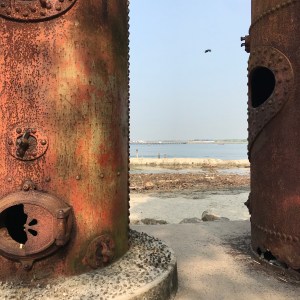 The sunlight in Kochi is diffused by heavy, moist air. The December heat keeps my skin sticky and my ankles puffed. But it’s a beautiful light – intense and muted at the same time. It brightens colors and softens the edges of the Chinese fishermen nets that, since the 14th century, have pulled fish from Kochi’s harbour. The nets are fascinating structures built from teak and bamboo. They’re cantilevered and require nothing more than the weight of a man to lower themselves into the water.
 Along the embankment men dressed in lungis, their heads wrapped in wet and frayed cloth as protection against the sun, prepare to sell the fish whose gills still move, desperate to find water. Interspersed between the fishmongers are stalls filled with wares available to purchase for the tourists fresh off cruise ships in port from Mumbai and Singapore. Follow the cobbled path from the nets to the jetty and you’ll find fish for your supper, leather belts, straw hats, toy tuk-tuks for the kids at home, plastic pasta makers and hand-held sewing machines the size of a stapler.
 Nearby is a respite. The Church of Saint Francis is a short walk from the jetty. Built in 1503 and the original burial place of Vasco de Gama, it is a beautiful but unassuming building.
 Its stone interior, lined with dark wooden pews, is cooled with a mechanism built of rope, pulleys and embroidered fabric attached to poles that run the length of the nave. The poles are lowered and when they swing the congregation is fanned by the movement of the fabric.
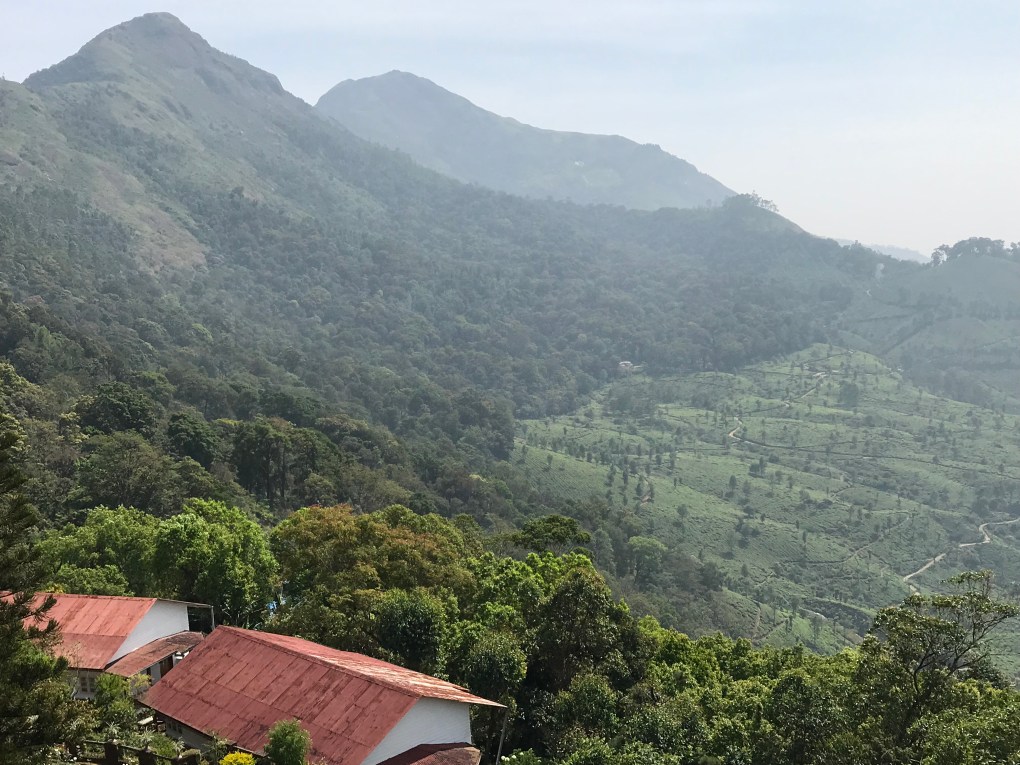 The first two close calls were flukes. It was only after I saw my life pass before my eyes for the third time that I began to question our sanity. By the time we were in our fifth hour of winding switchbacks on a road so narrow we frequently stopped to accomodate traffic barreling down the steep grade toward us I knew we were doomed. We were headed toward a former hill station in Munnar now named Windermere Estate.
 It’s beautiful here. The air is warm but fresh and we awoke this morning to the song of the red whiskered bulbul and not the noise of car horns. From a vantage point reached by climbing a set of stairs cut into stone we have a view of mist covered tea plantations, deep valleys and a rugged mountain ridge on which, we’re told, wild elephants sometimes roam into view.
 Our one day at Windermere is a day of rest. The grounds of the estate are too beautiful to contemplate leaving. With the exception of one short walk to a small village just below the estate grounds, we are content to watch the world go by from the little porch attached to our room.
 M I submitted my first book proposal to the wonderful Claire Wilson at