

We had two days of blue skies in my little patch of Northern California. The giddiness was palpable. Even the birds around the feeder on our porch seemed happier. But when the news broke at 5:00 PM on Friday, September 18th all that was over. We were found out. Whatever parallel universe we had encroached upon for the previous forty-eight hours had discovered our tenuous joy and decided to boot us right back to the other, uglier parallel universe from whence we came.

A quiet Rosh Hashanah dinner for two with a nice salad, grilled salmon and a little wine (in the nice glasses!) turned into leftovers seasoned with our sorrow and a little too much wine.
I scrolled through social media to read the reactions of my friends and found a reply to my simple post of ‘No.’ My friend, like all of us, was seeking comfort – a nice quote to quiet our panic, simple words of wisdom from anyone to use as a balm on our heart. But I had nothing.
I still have nothing. When I woke this morning, for a quick little moment I didn’t remember. But then, as I boiled the kettle and put three scoops of French Roast in the cafetière, the dark morning settled on me. It may be a feeble attempt to find a spark of strength but I take comfort in knowing I’m not alone.
At the risk of tempting fate – what next? As I write at 6:00 AM on Saturday, September 19th there are one hundred and four days left to this horrid year. This is the year that began with my mother passing. When she died there was a part of me that thought the one hard knock of the year had happened and it was clear(ish) sailing for the remaining eleven months.
But the hits keep coming and now I’m at my desk, with MSNBC’s Velshi breaking my heart with scenes of people, candles lit and singing Imagine in front of the Supreme Court.
We are remarkable. My tribe – a tribe that values integrity, that puts people and our planet over politics and knows that we are a heartbeat away from losing it all – is remarkable. We have been through so much these past four years. And now we’ve lost the most amazing woman. On Rosh Hashanah no less.
What should we do with the loss we feel?
It’s time to push back with something more. Reposting messages of indignant outrage on social medial might help me feel better but these are facile gesture. I know the rule of law does not serve all citizens equally. I recognize lies when I hear them and I know our government is using one untruth after another to gaslight every single one of us.
What are we going to do?
Please vote.
 When I decided to create Practically Twisted it was because I wanted to present yoga and yoga therapy as a practical solution to health and wellness issues.
 My bookclub met via Zoom on Wednesday. The book up for discussion was Pema Chodron’s
  The global pandemic is forcing social isolation but technology can bring us together – at least electronically. When we come together with the intention of actively listening to the stories that have shaped our lives – even if it’s through Zoom – our hearts break open. We connect on a level that isn’t available in our day to day interactions.
 You might be thinking,

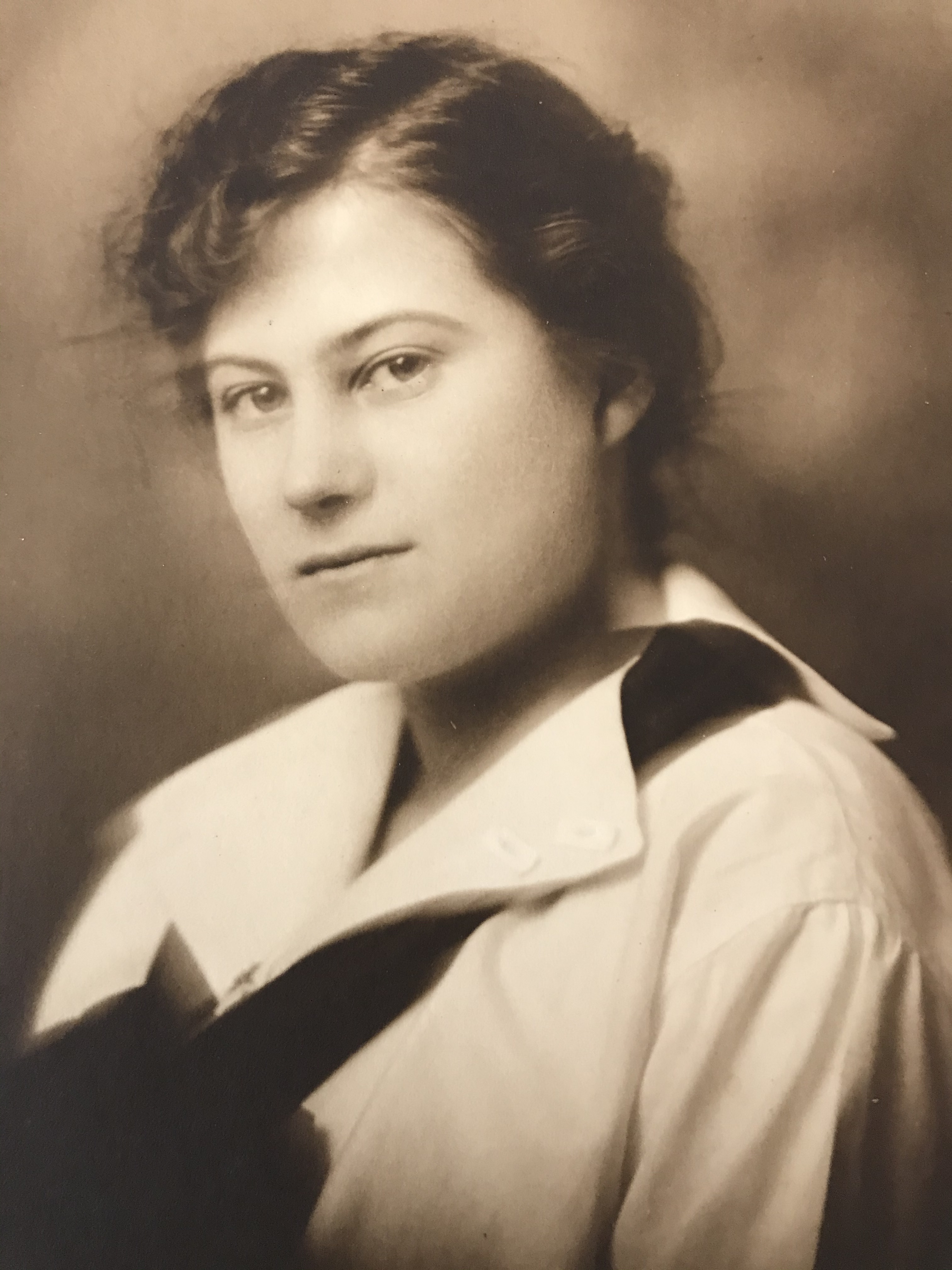 My Great Aunt Mimm’s small apartment in Allentown, Pennsylvania had the soft scent of age with a dusting of Shalimar. Her’s was one of several apartments in a pale pink two-story stucco complex built in the 1930’s on one of Allentown’s broad, tree-lined boulevards.
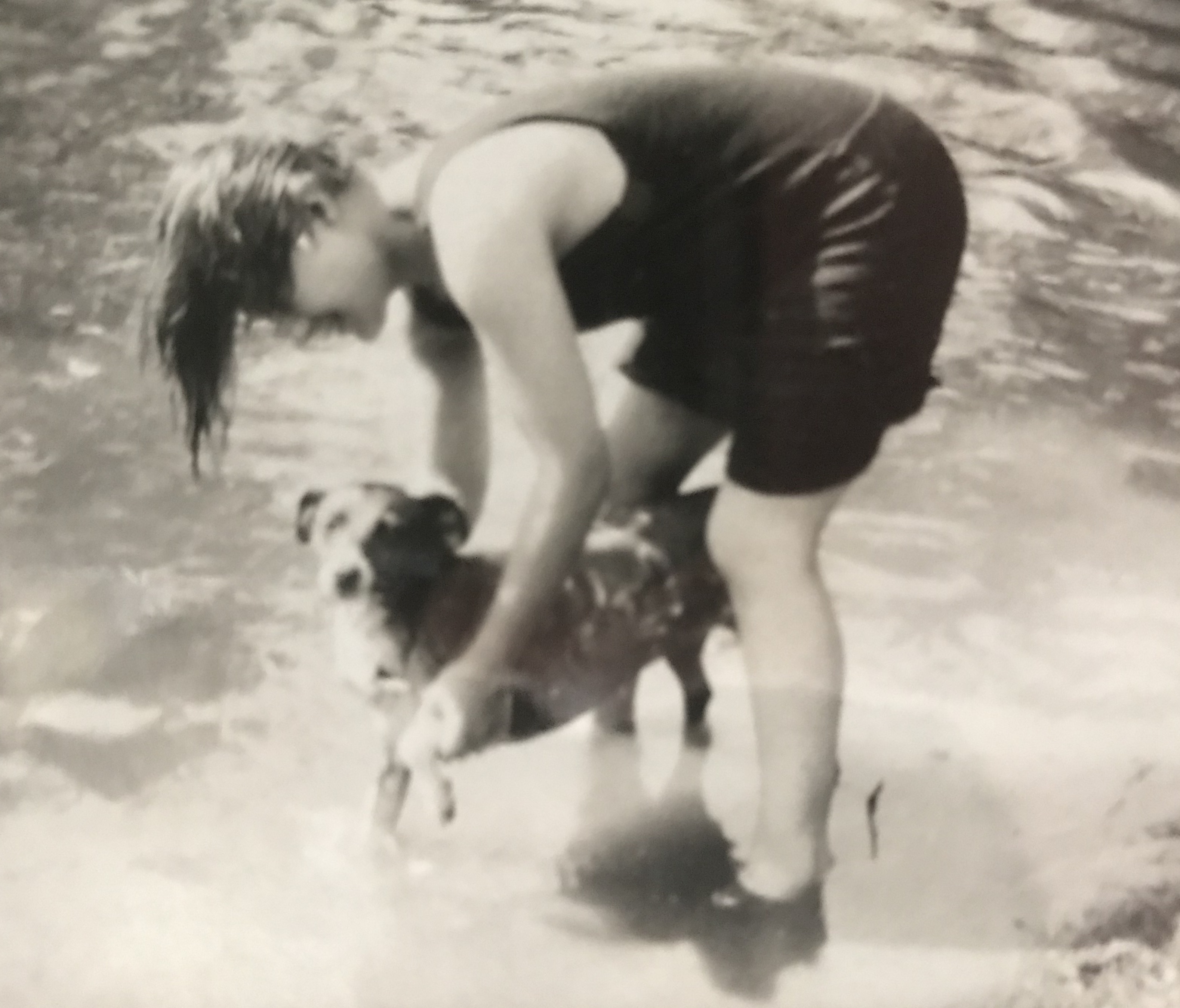 She attended Keystone State Normal School and began teaching with the diploma still hot in her hands. Aunt Mimm loved children and any child would be lucky to have her as their teacher. She loved dogs, too, and often brought her Jack Russell Micky with her to the classroom.
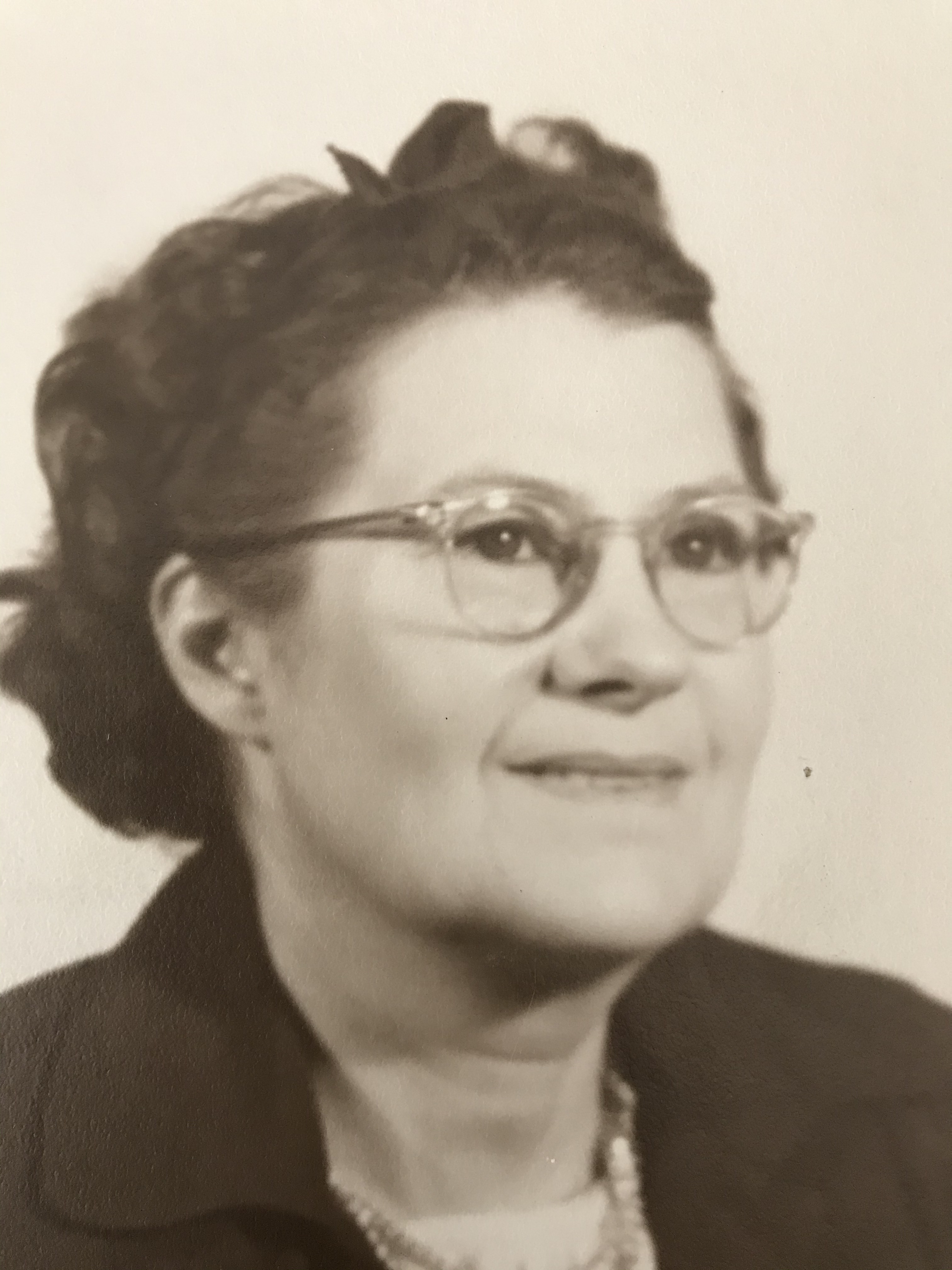 People knew me as Robbi then, because that was my nickname, having been given the name ‘Roberta’ at birth. I put up with being called ‘Robbie the Robot’ – the character from the move ‘Forbidden Planet’ – in grade school, ’Roberta Flat’
 Winding our way down from Munnar to sea level the sky gradually shifts from blue to milk white. Not white like creamy full fat milk – more like the water-downed milk I remember from childhood. The milk I drank at Mrs. Dietrich’s kitchen table when I was a kid was so fresh and warm from the cow that she served it to her daughter and me on ice. As the ice melted the milk became thin and pale. That’s the color of the sky as we descend from Munnar.
 Women wrapped in colorful sarees ride side-saddle on scooters while on the road’s shoulder ancient men wrapped in lungis tucked in above their knees push carts balanced on bicycle wheels and piled high with wares.
 The four hour drive from Munnar to Alleppey is long and hot and bumpy but when we arrive at the houseboat all of that is forgotten. For the rest of the afternoon and into the first part of the next morning we’ll be on the longest lake in Kerala. We’re in a traditional houseboat. It moves almost without sound. I can hear the lapping of water and once again the sound of birds calling to one another. There’s an immense variety of bird life here – brahminy kites that look like bald eagles, kingfishers, parrots, flycatchers, darters, cormorants, egrets and herons all greet us as we move through the waters.
 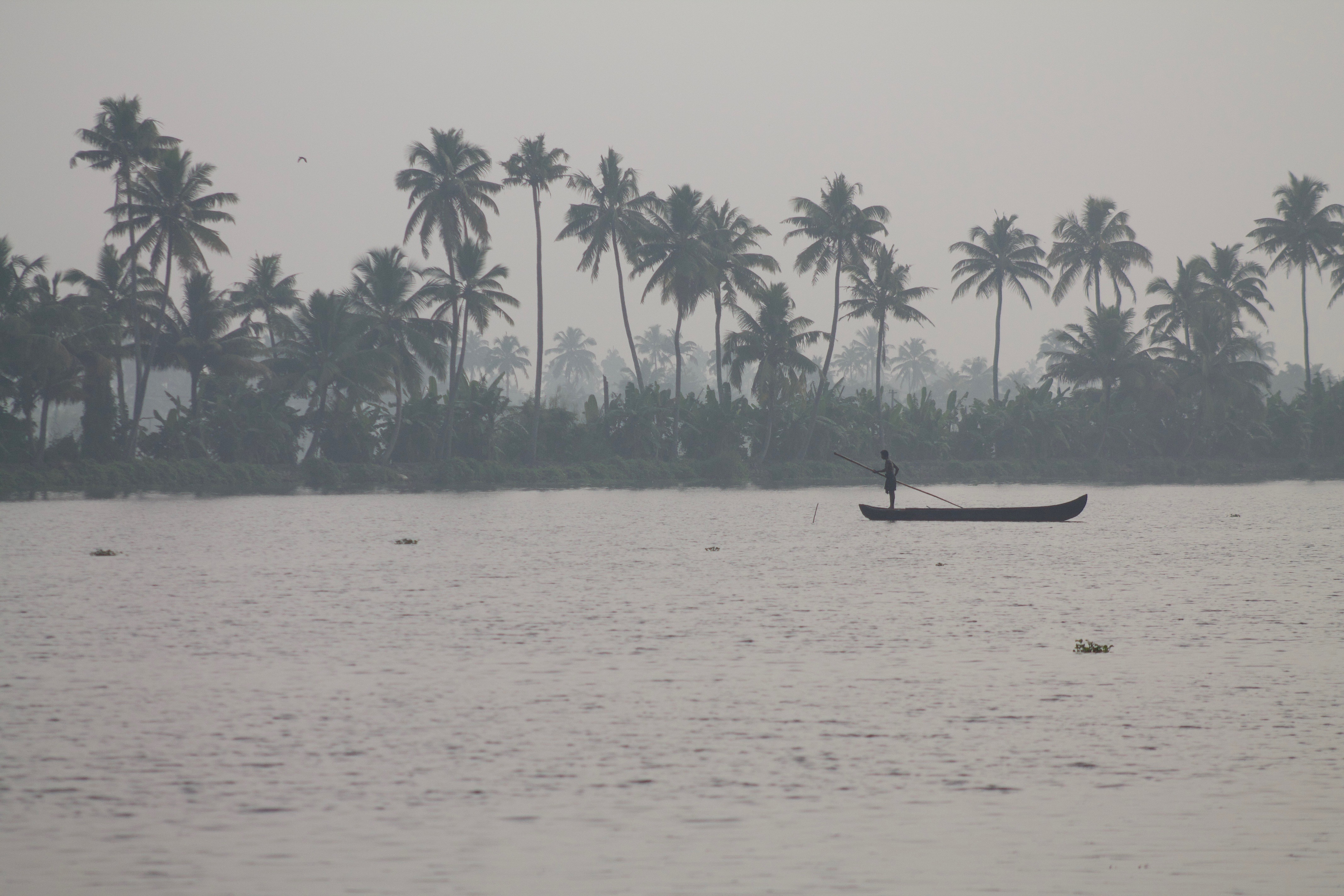 The lake is life and livelihood for the people who live along its edge. Children are ferried home from school in wooden boats. Women wash clothes while their kids play in its waters. At sunrise lone fishermen, silhouetted in their small canoes by the red dawn, make their way to where they hope will be the day’s best catch.
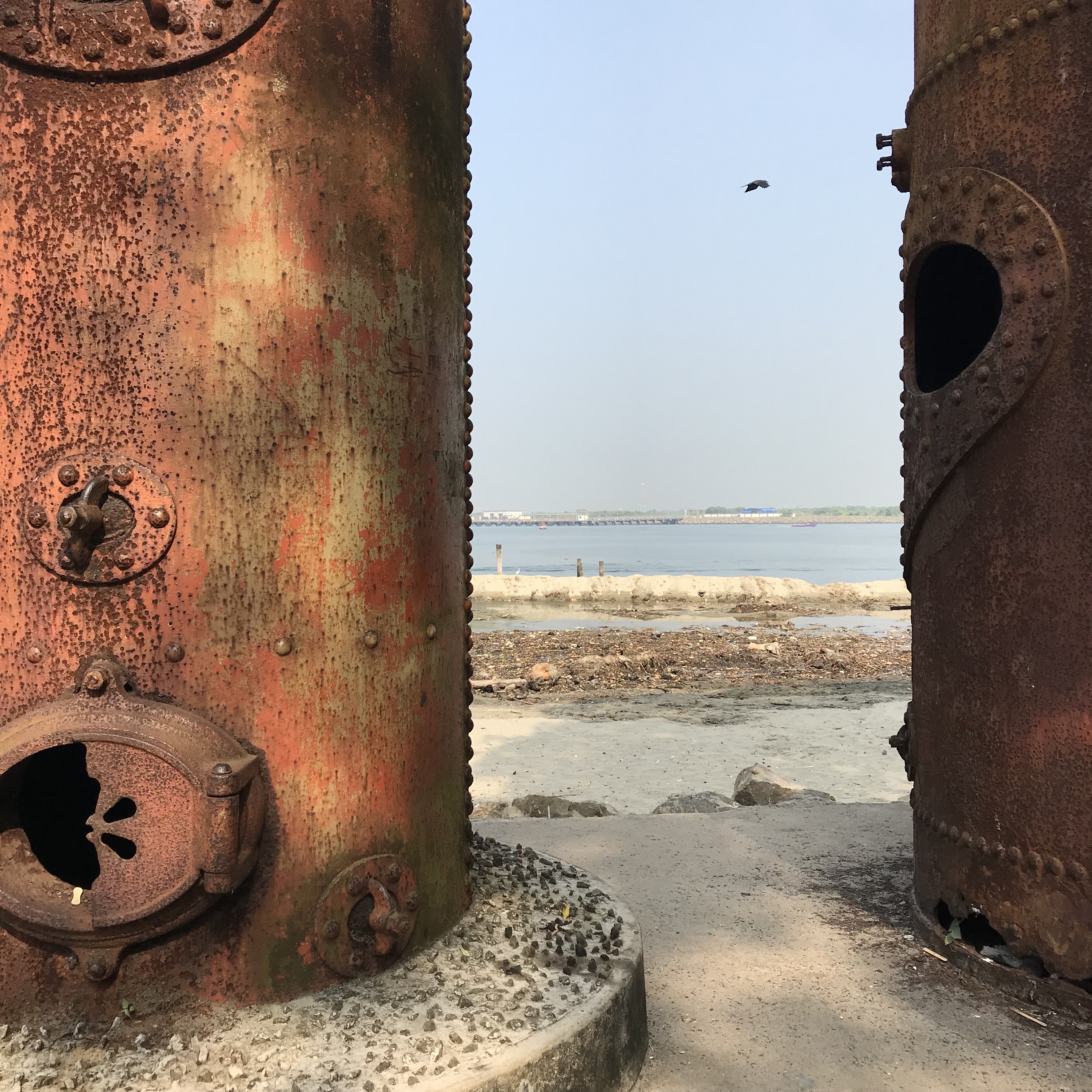 The sunlight in Kochi is diffused by heavy, moist air. The December heat keeps my skin sticky and my ankles puffed. But it’s a beautiful light – intense and muted at the same time. It brightens colors and softens the edges of the Chinese fishermen nets that, since the 14th century, have pulled fish from Kochi’s harbour. The nets are fascinating structures built from teak and bamboo. They’re cantilevered and require nothing more than the weight of a man to lower themselves into the water.
 Along the embankment men dressed in lungis, their heads wrapped in wet and frayed cloth as protection against the sun, prepare to sell the fish whose gills still move, desperate to find water. Interspersed between the fishmongers are stalls filled with wares available to purchase for the tourists fresh off cruise ships in port from Mumbai and Singapore. Follow the cobbled path from the nets to the jetty and you’ll find fish for your supper, leather belts, straw hats, toy tuk-tuks for the kids at home, plastic pasta makers and hand-held sewing machines the size of a stapler.
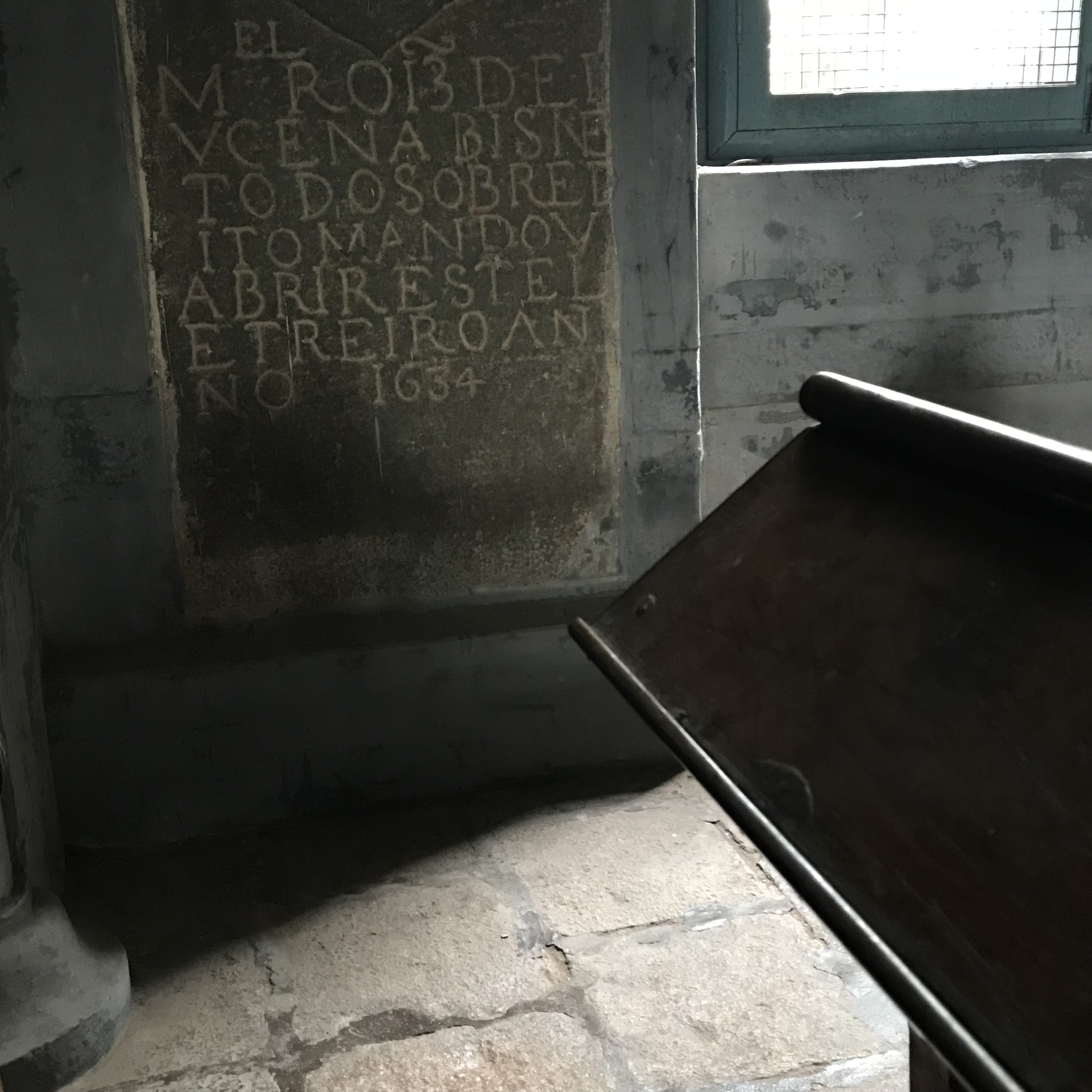 Nearby is a respite. The Church of Saint Francis is a short walk from the jetty. Built in 1503 and the original burial place of Vasco de Gama, it is a beautiful but unassuming building.
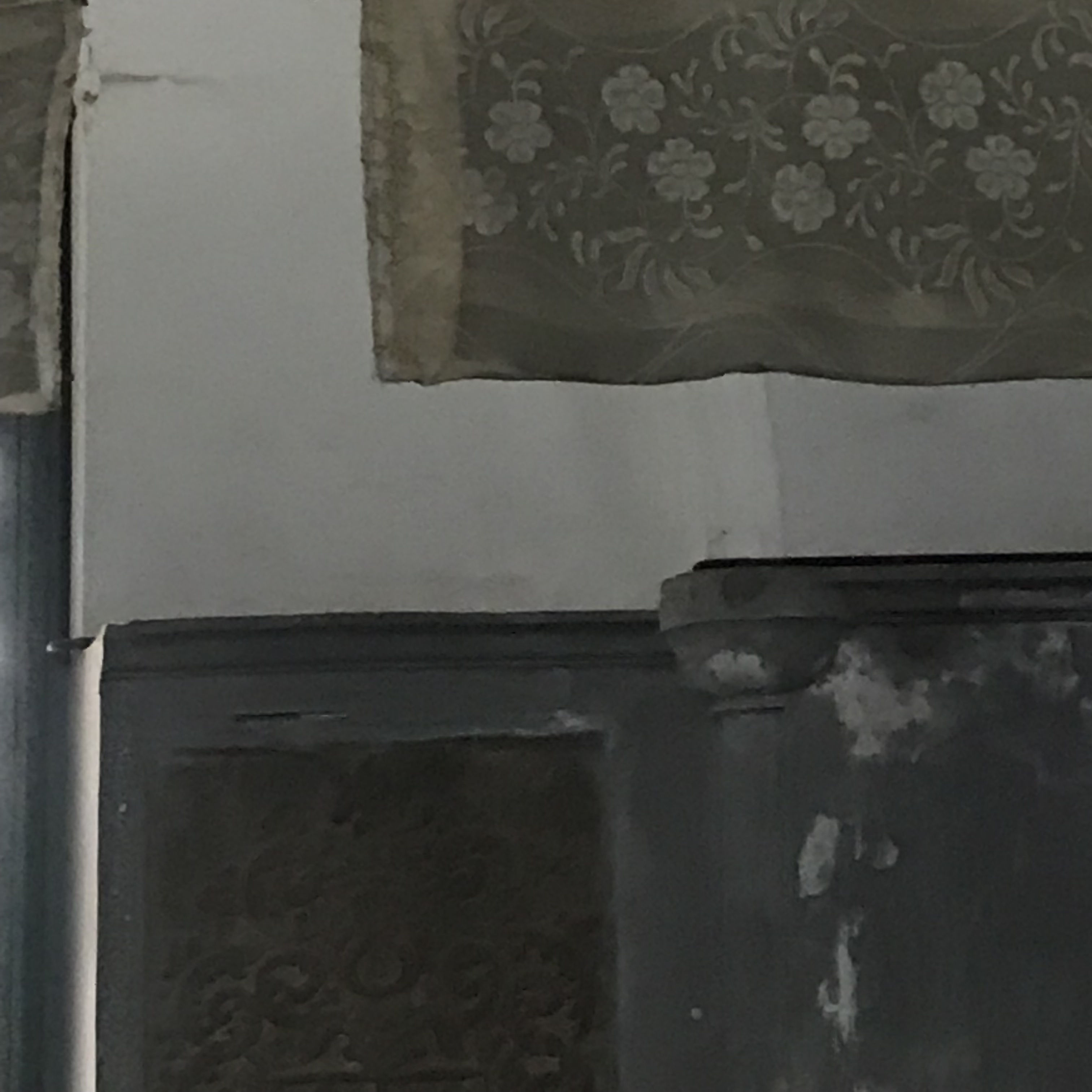 Its stone interior, lined with dark wooden pews, is cooled with a mechanism built of rope, pulleys and embroidered fabric attached to poles that run the length of the nave. The poles are lowered and when they swing the congregation is fanned by the movement of the fabric.
 The first two close calls were flukes. It was only after I saw my life pass before my eyes for the third time that I began to question our sanity. By the time we were in our fifth hour of winding switchbacks on a road so narrow we frequently stopped to accomodate traffic barreling down the steep grade toward us I knew we were doomed. We were headed toward a former hill station in Munnar now named Windermere Estate.
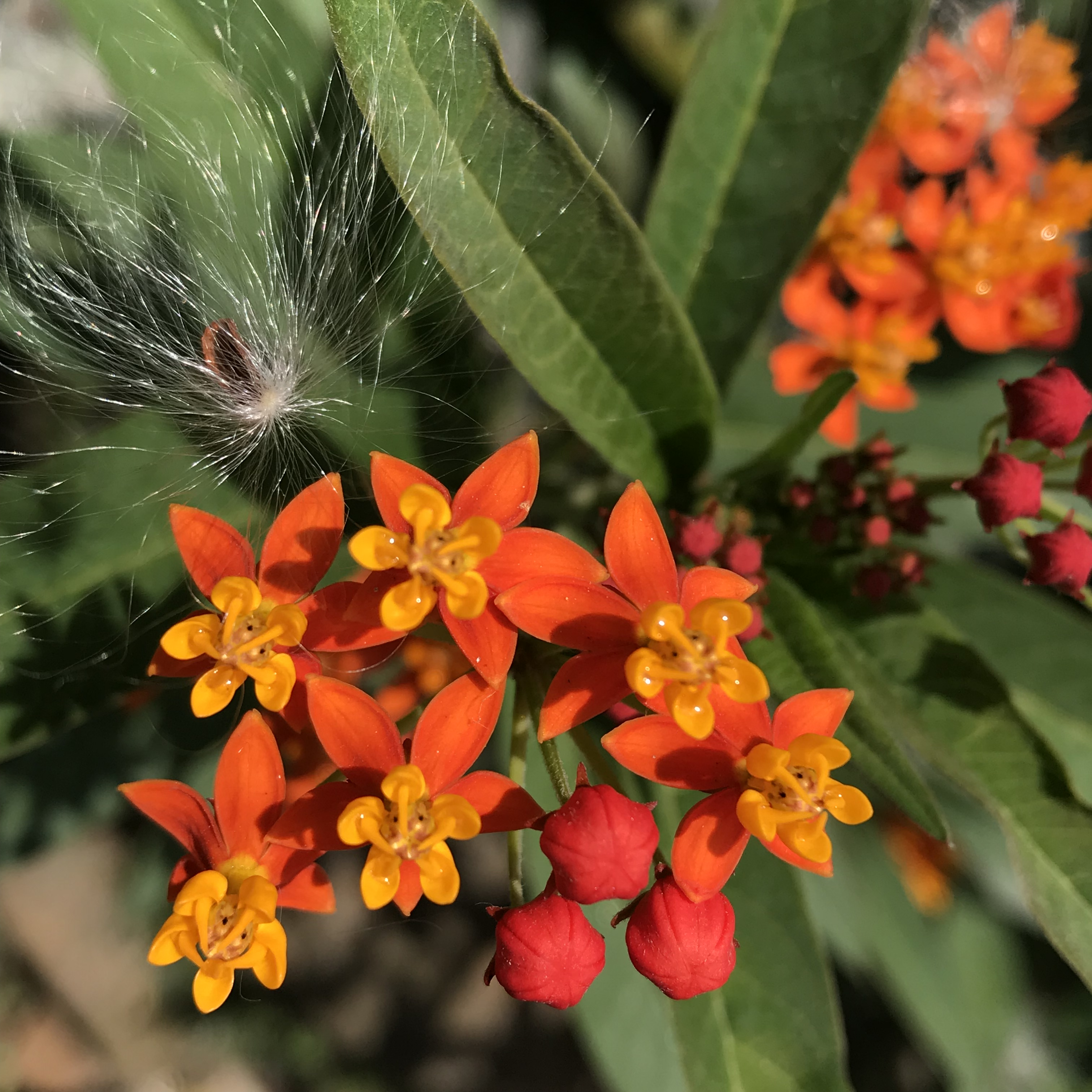 It’s beautiful here. The air is warm but fresh and we awoke this morning to the song of the red whiskered bulbul and not the noise of car horns. From a vantage point reached by climbing a set of stairs cut into stone we have a view of mist covered tea plantations, deep valleys and a rugged mountain ridge on which, we’re told, wild elephants sometimes roam into view.
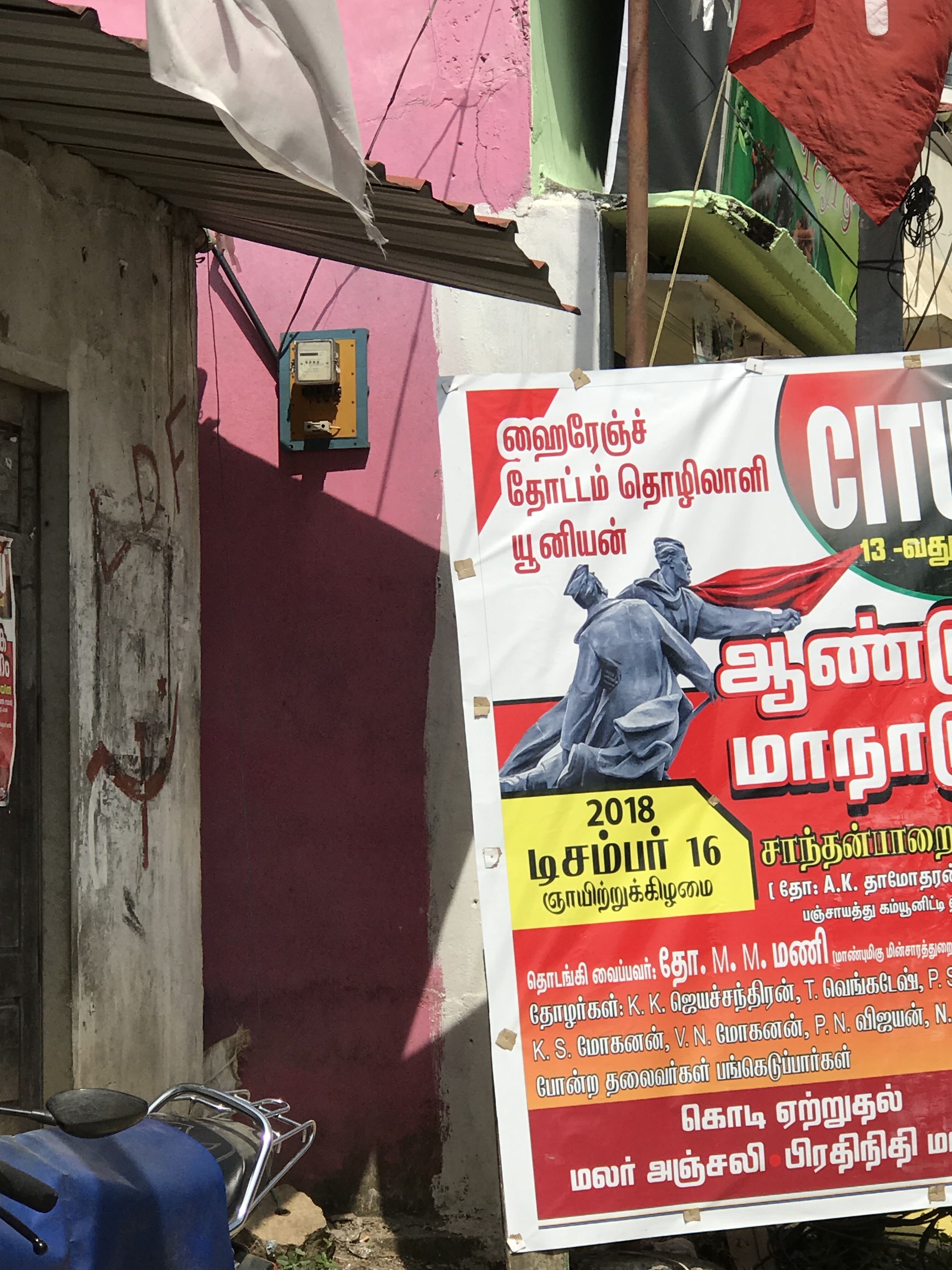 Our one day at Windermere is a day of rest. The grounds of the estate are too beautiful to contemplate leaving. With the exception of one short walk to a small village just below the estate grounds, we are content to watch the world go by from the little porch attached to our room.
 M I submitted my first book proposal to the wonderful Claire Wilson at
  Mimm Patterson