

 Let’s just say I’m holding steady. My schedule won’t allow me to ease into phase two for another week, which is fine by me.
Each day I’m surprised. I’m surprised by how easy I’ve found this process. I’m surprised by how well I feel. I’m surprised by how my response to day-to-day stress seems to have shifted toward something resembling calm. Ever the skeptical inquirer, however, I continue to question.
How could a few shifts in my diet, coupled with a supplement regime, produce results in just a few weeks? Besides, didn’t I cheat once or twice (or thrice)?
The point of the practice, I suppose, is to create the conditions by which I am consistently mindful of what I am putting into my body. That means being mindful not only when I’m making good choices but being mindful even when my choices are less than helpful. It also means cultivating good habits – like beginning the day with a mug of hot water and lemon juice.
But mornings can be hectic in my household and the simple act of boiling the kettle, pouring hot water into a mug and then adding a squeeze of fresh lemon juice squeezing the lemon into it can fall down the list of priorities when there are showers to take, a litter box to clean and emails to answer.
My solution is to set myself up for a good morning the night before. Before bed I fill my forty ounce Mira thermos with hot water, the juice from one whole lemon and – as suggested by NaturalStart’s Detox, Flush and Reboot program – a little pinch of cayenne pepper. Sometimes I’ll add a bit of grated fresh ginger, too. In the morning my hot lemon water is ready for me. I drink a large glass when I wake and sip the rest throughput the day.
But why? Why is this is healthy habit? An internet search will offer a list of reasons, some more dubious than others. I found a balanced explanation on Wellness Mama but I’ll be honest- I don’t really need a list of benefits that may or may not be true. I can report that I’ve noticed an improvement in my skin tone. It’s possible the dark circles under my eyes aren’t so obvious. But mostly it just feels good to begin my day with a glass of lemon water. I don’t really need any other reason to keep this healthy habit.



 Discovering that a friend from high school – a quiet boy that I had a crush on in 1974 – served in the military after graduation, met hid one true love later in life and now spends time traveling around the world with her filled my heart.
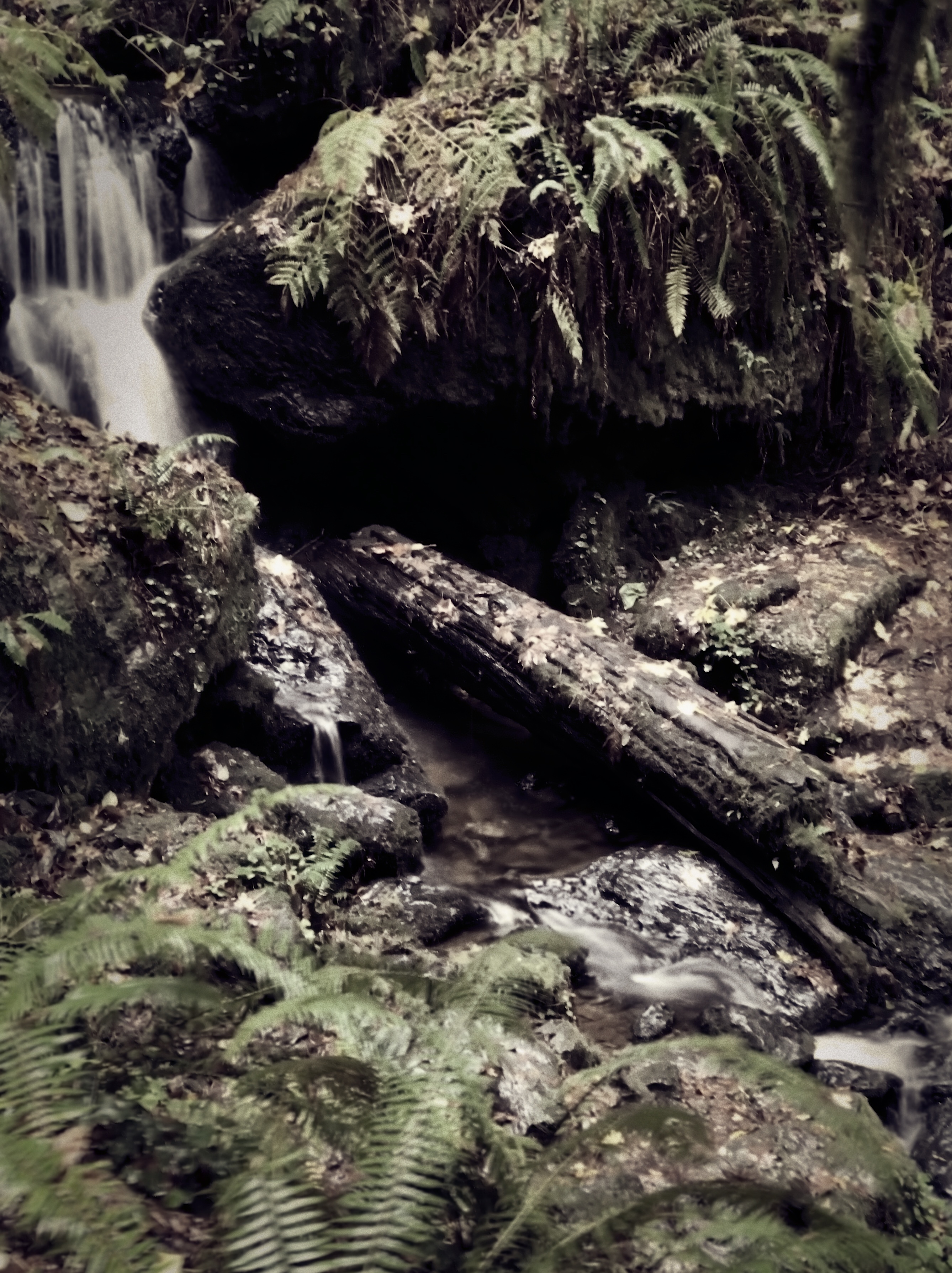 My favorite sweatshirt is from The Lost Whale, a bed and breakfast near Trinidad, California. On the front, in bold blue Times New Roman, is the word ‘lost’. On the back, of course, is the word ‘found’.
 Remaining true – living authentic lives – leans against the change that arrives unexpected and uninvited. It leans against the change that is slow and stealth
 It’s like a dream. The only reason why I know for certain I was there is because of the sense of familiarity that welled inside when I saw images of the protests that occurred in Kerala in early January. A
  Our ten days in Kerala were a first for Ben and me. Over the past five years we’ve enjoyed time spent with family back east and long weekend breaks to Half Moon Bay and
 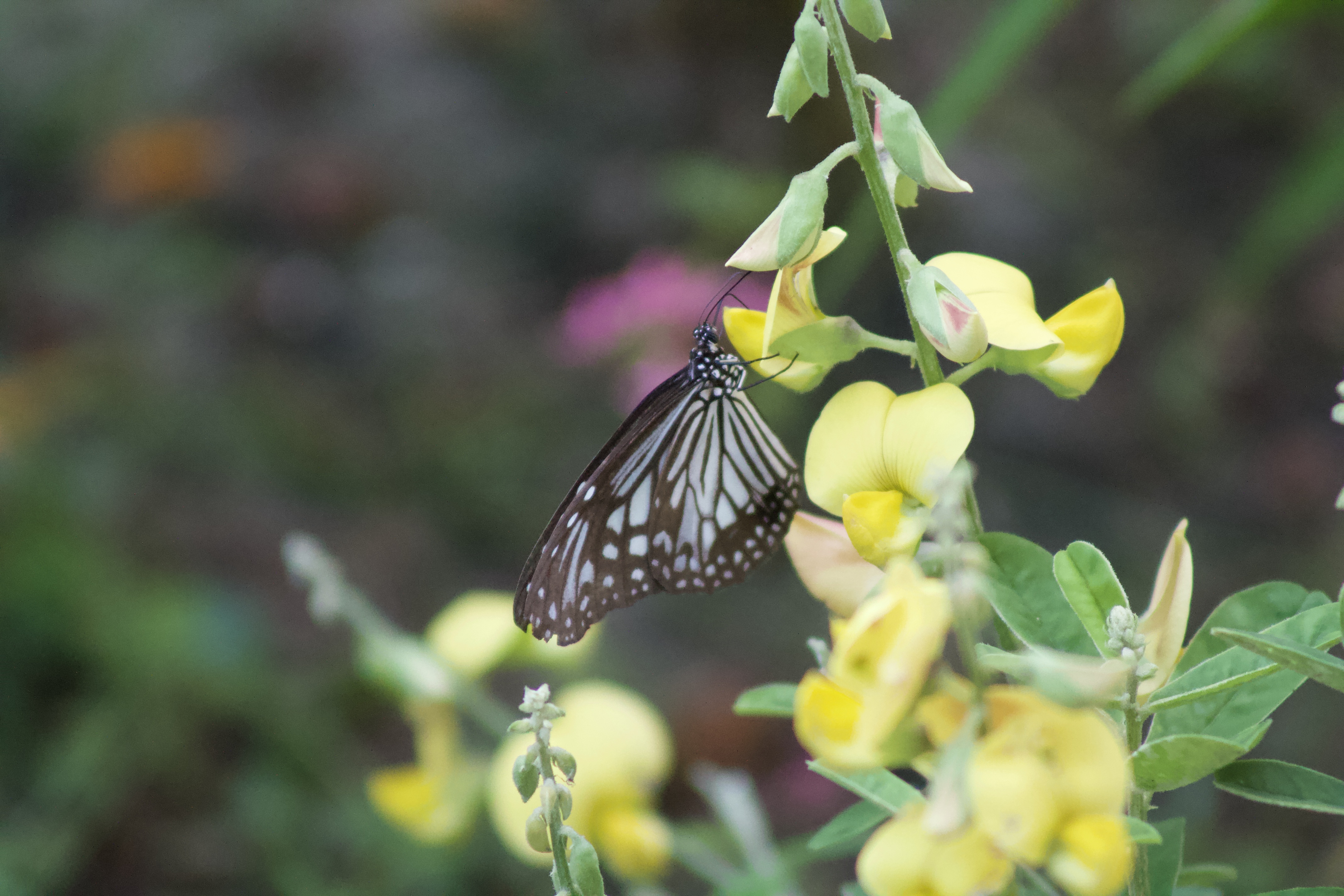 For those two days my brain turned the volume down on the endless chatter, my body relaxed in a way I didn’t think was possible, and Ben and I had a chance to bask in the love we share. We engaged with life, with the world around us and with each other. During those two days I was fully immersed in the life around me – the colors, the textures, the sounds and even the silence. I engaged with life, not with a computer.
 Winding our way down from Munnar to sea level the sky gradually shifts from blue to milk white. Not white like creamy full fat milk – more like the water-downed milk I remember from childhood. The milk I drank at Mrs. Dietrich’s kitchen table when I was a kid was so fresh and warm from the cow that she served it to her daughter and me on ice. As the ice melted the milk became thin and pale. That’s the color of the sky as we descend from Munnar.
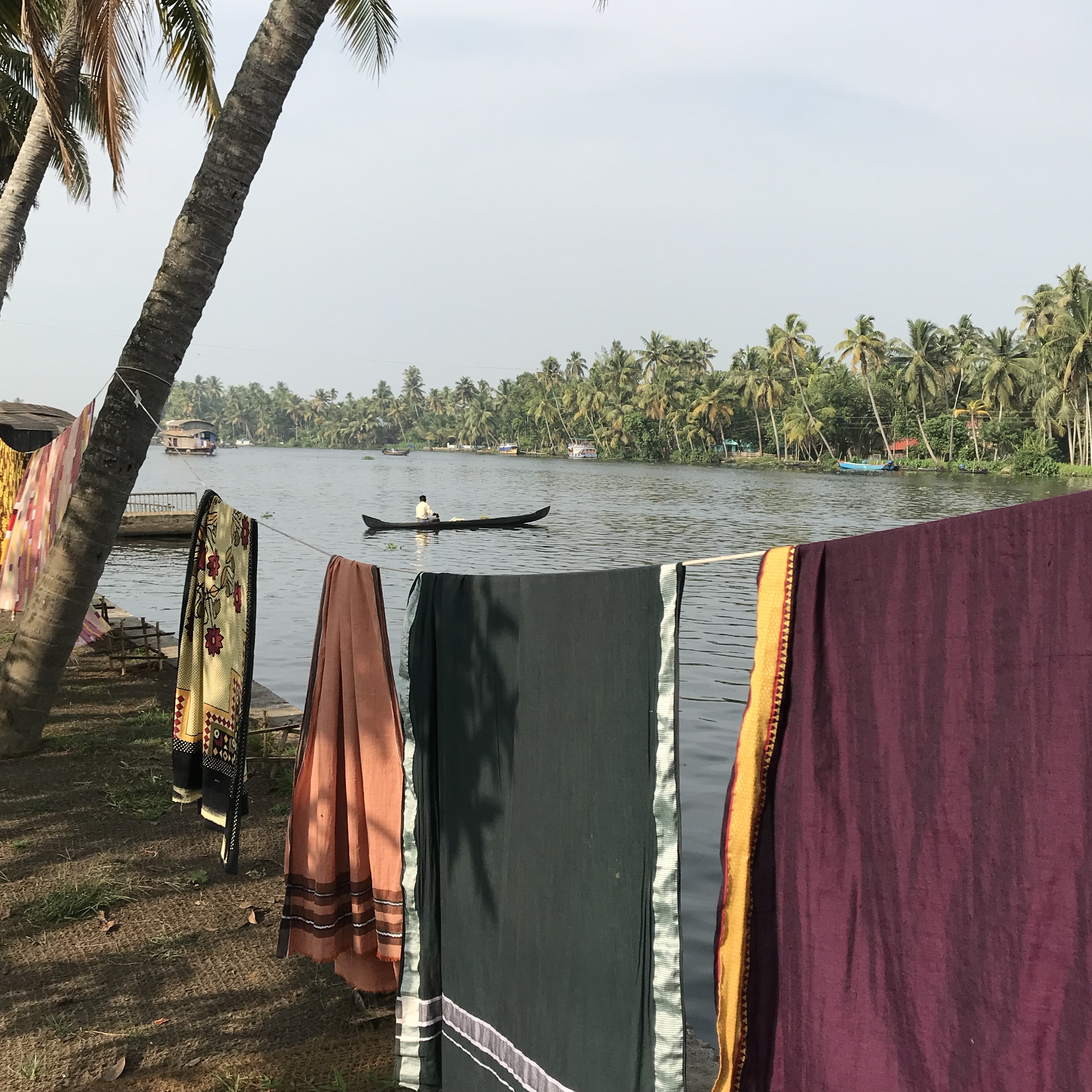
 Women wrapped in colorful sarees ride side-saddle on scooters while on the road’s shoulder ancient men wrapped in lungis tucked in above their knees push carts balanced on bicycle wheels and piled high with wares.
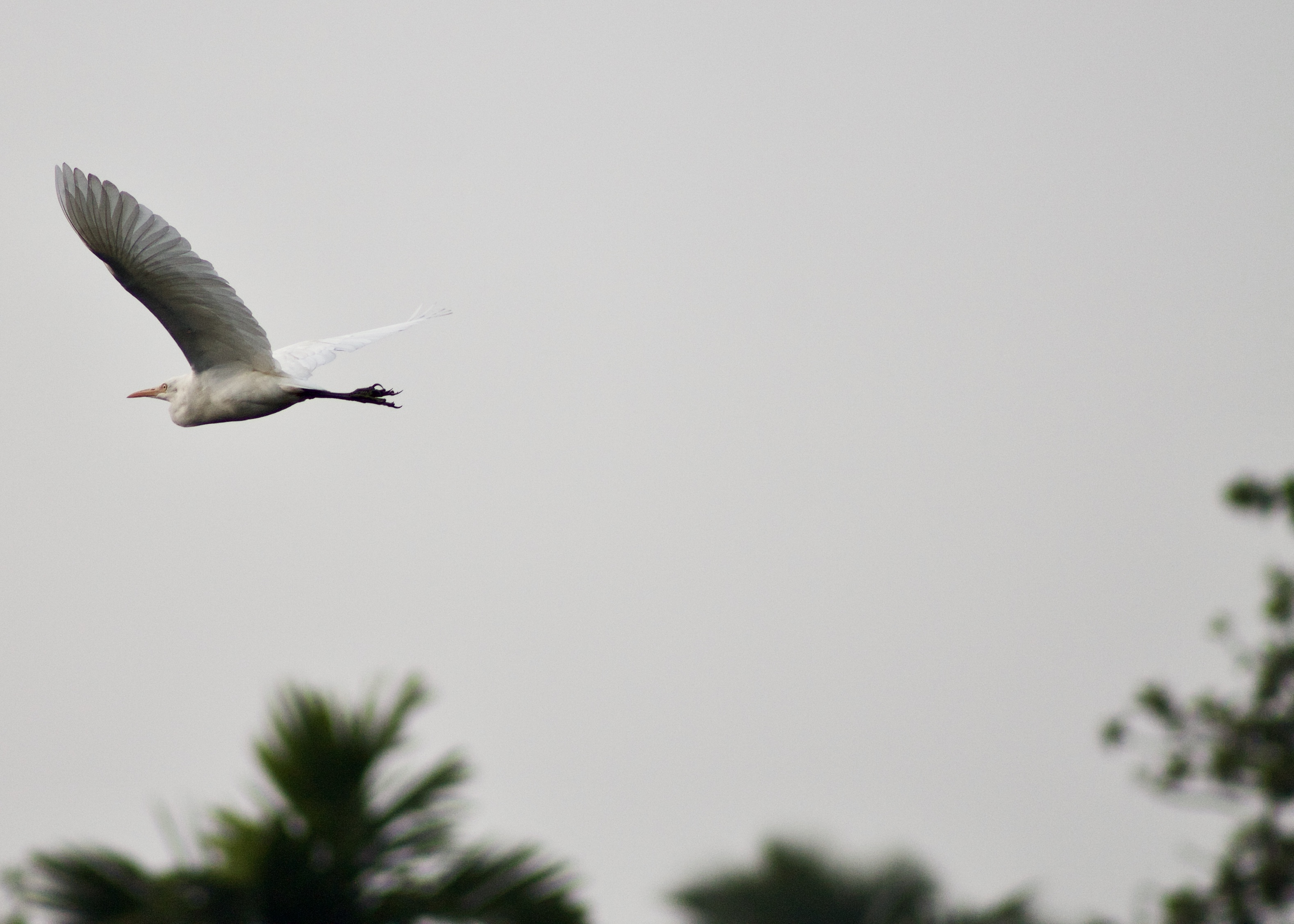
 The four hour drive from Munnar to Alleppey is long and hot and bumpy but when we arrive at the houseboat all of that is forgotten. For the rest of the afternoon and into the first part of the next morning we’ll be on the longest lake in Kerala. We’re in a traditional houseboat. It moves almost without sound. I can hear the lapping of water and once again the sound of birds calling to one another. There’s an immense variety of bird life here – brahminy kites that look like bald eagles, kingfishers, parrots, flycatchers, darters, cormorants, egrets and herons all greet us as we move through the waters.
 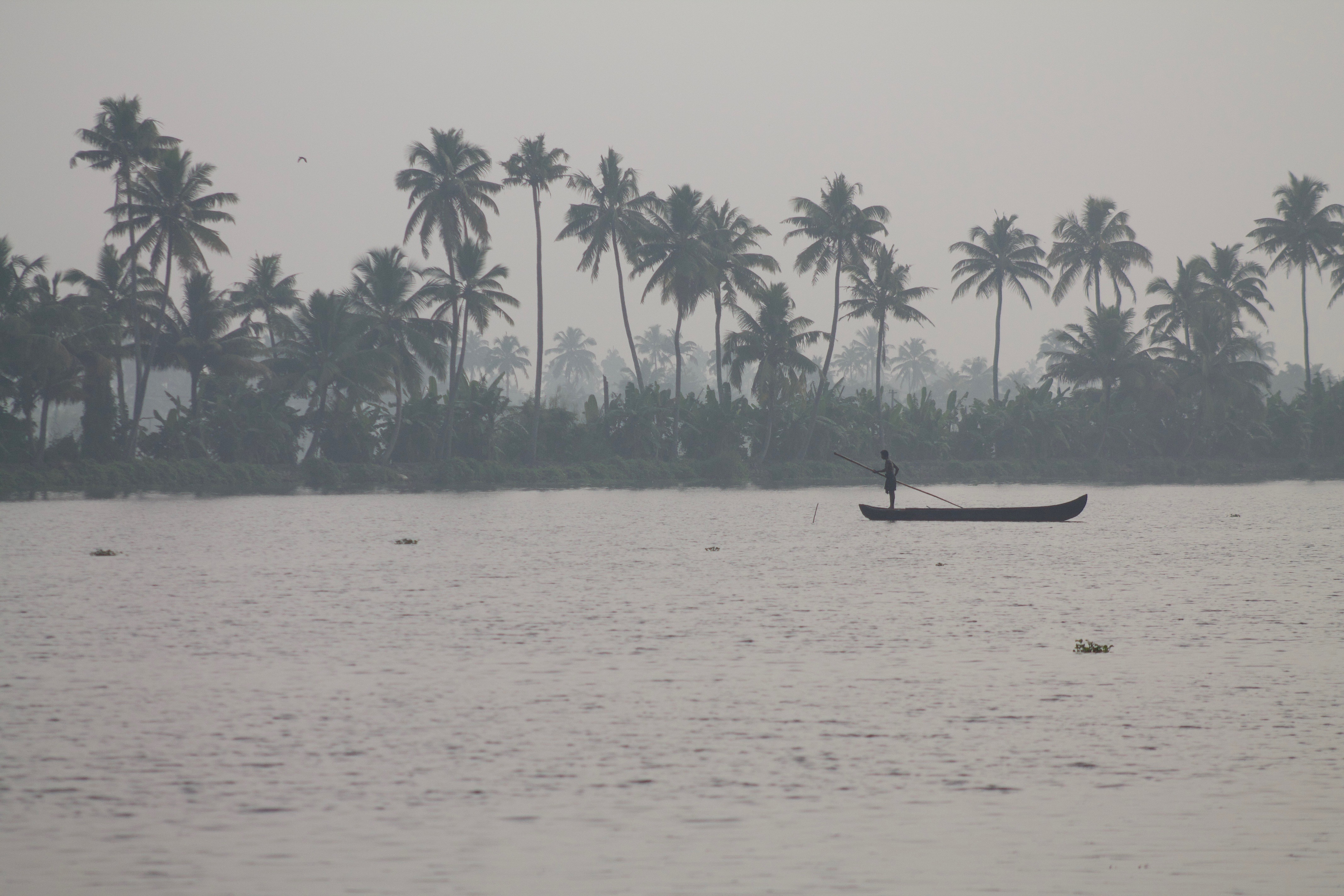 The lake is life and livelihood for the people who live along its edge. Children are ferried home from school in wooden boats. Women wash clothes while their kids play in its waters. At sunrise lone fishermen, silhouetted in their small canoes by the red dawn, make their way to where they hope will be the day’s best catch.
 Mimm Patterson