The Joy of Small Comforts

So. How’re you doing? It’s been awhile.

We’ve a big couple of weeks ahead of us. You holding up? Yeah. I thought so.

Let me ask you this: what brings you comfort? And you don’t have to say your yoga practice. What brings you to a place where the sharp edges soften and you can feel your jaw unclench?

It depends, doesn’t it? This week for me it seems to be copious amounts of carbohydrates delivered by way of fettuccini. And wine. Lots and lots of wine. Admittedly not the two best choices.

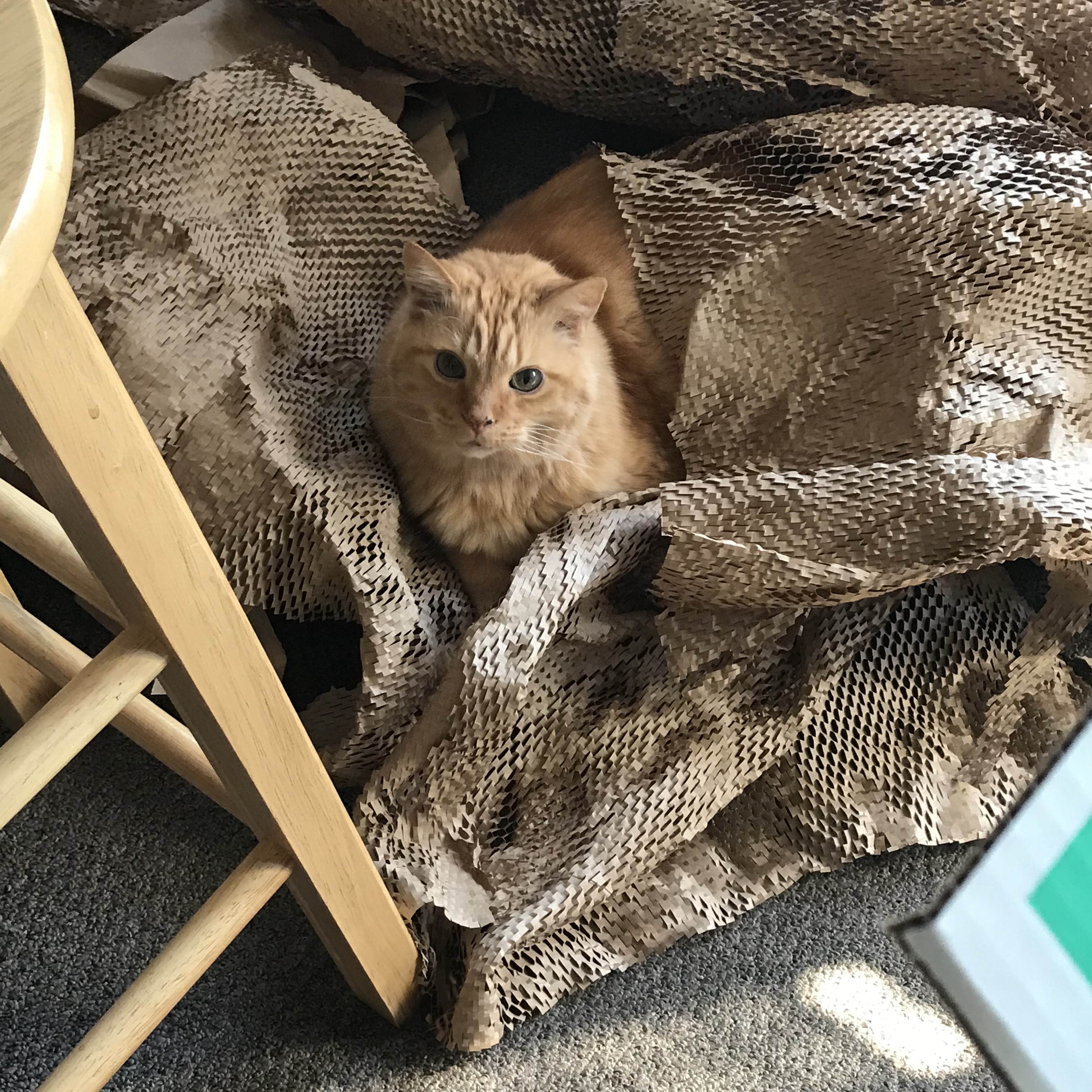
Bruce finding joy in the comfort of recyclable packaging paper.

Thankfully I also find comfort in my morning shuffles. If I start early enough I see Venus in the East and Mars setting in the West. Lately, in the evening, Jupiter and Saturn have been dancing around the moon. I take comfort from the display because these celestial events remind me that I am an infinitesimally small speck spinning through space.The upheavals we endure on our ‘big blue marble’ mean nothing compared to the beauty of the universe.

Ben and I grew container tomatoes and herbs this year and we both find comfort in our small but delicious harvest. There’s something miraculous about dropping a seed into soil and watching it sprout and grow. Even though our ‘garden’ is a slab of cement three floors up it is still a place where we can both connect with the earth.

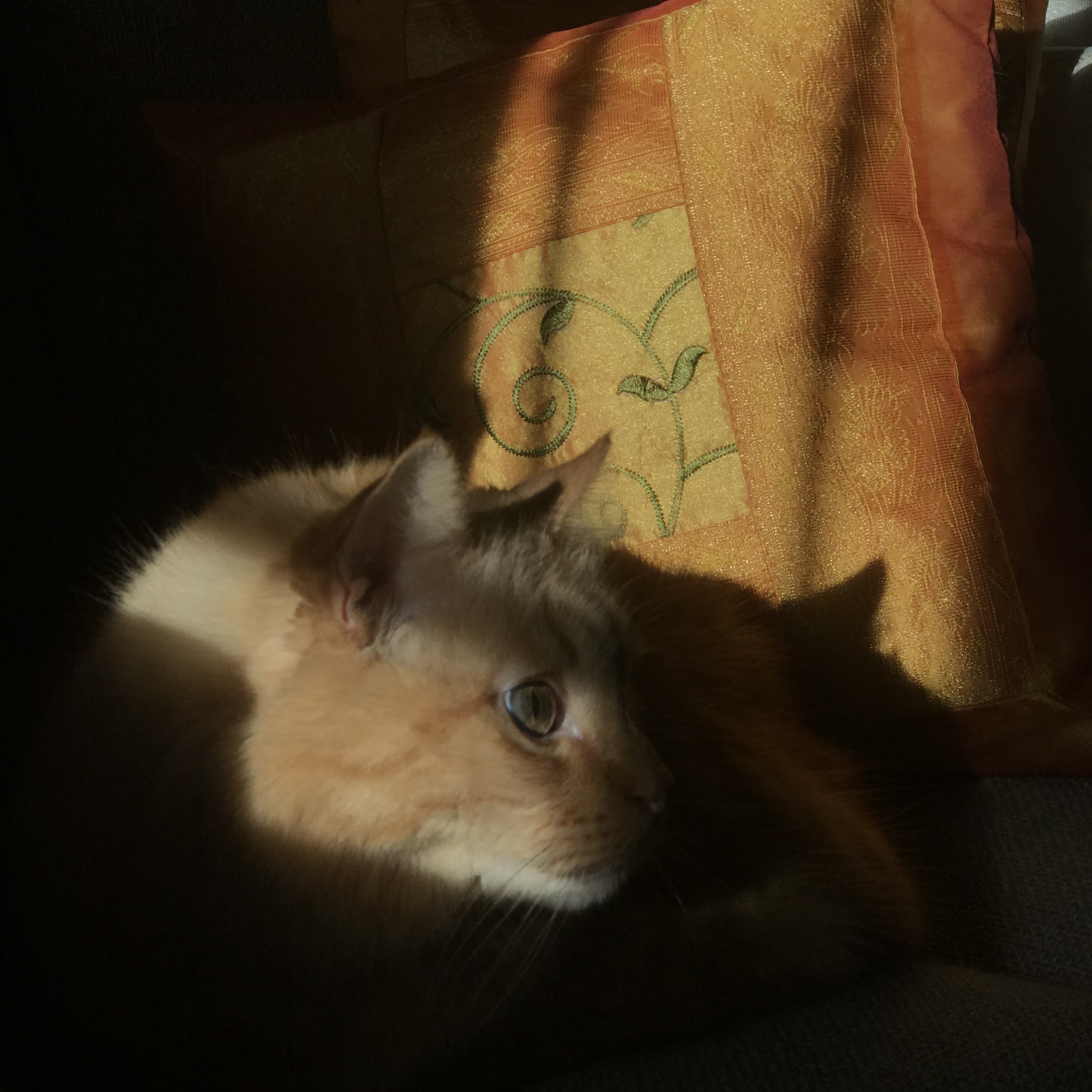
Bruce the Cat’s demands bring me comfort, too. His bossy meows distract me. They slowly bend my laser focus away from whatever task has me obsessed until he’s on my lap and content to transform his demands into purrs. Other cat people will agree, there is nothing so comforting as a purring cat.

When Ben and I decided to get Bruce a cat tree so that he could gaze out the window and watch the world go by, we made certain there was something for him to look at by installing a bird feeder. Little did we know Bruce had very little interest in ornithology. He could care less there’s a gaggle of birds celebrating the mother lode of seed available at our door all day. But Ben and I find comfort in watching them. And I know my yoga zoom community loves to hear them sing when we’re in practice.

The road ahead is going to stay bumpy a little while longer. Embrace the comfort found in small joys. But take it easy with the fettuccini and wine.


A Bitter Pill

What will I tell them? Ten years from now, maybe twenty – what will I tell them – the grandchildren Ben and I might have – about all of this? Will I tell them at first I didn’t know? That in the thirty minutes it took for me to walk from my home to the pain clinic where I worked the world shut down? How is that possible I didn’t know? When the clinic sent me home as soon as I arrived they offered no reason – only that our clients had left for the day. I didn’t mind that they hadn’t called to tell me. It was a beautiful day and I was happy to have a relaxing afternoon to myself. 

So I began my walk home at two in the afternoon, past the crowds at Trader Joe’s with shopping carts overflowing, down the bike path to Channing Street where the cars queued for the light at Alma to turn green with what felt like more than a little impatience. I walked past an empty Peers Park. I walked all the way home and still didn’t know.

Is that what I’ll tell them? Will I tell them that even though the air was filled with the same strange energy a person might feel after an earthquake – the same strange energy that makes everyone your friend – that I didn’t know?

I don’t remember how I found out – whether I turned on the news when I returned home or if I bumped into someone on the street. It doesn’t matter. What does matter is that when I found out everything changed. I crossed the street to Mollie Stone’s and wandered through the crowds among the rapidly emptying shelves until I found something Ben and I might need. Toilet paper.

What will I tell them? Ten years from now, maybe twenty. Will I tell them how our dear cat Bruce, a ginger memory by the time this year is decades in the past, woke me at 3 AM on a Sunday morning. How was it that the wind didn’t wake me first? And then the lightening came and it was both beautiful and tragic. One night a few days later I kept the window by my desk open and when I woke the next morning it was covered with the ash of other people’s lives. Will I tell them we were far away from the flames and still couldn’t breathe? Will I tell them the sky turned orange and the sun disappeared? And on that day everything was illuminated in a way that was both foreign and frightening? 

I wonder if I will tell them a man named George died with a knee on his neck? Or that a woman named Breonna was shot dead in her home. And that their deaths changed everything. Except I don’t know if that is true just yet. I hope it is. 

I wonder if I will tell them about a notorious grandmother named Ruth, and that when she died we lit candles on the steps of the Supreme Court and little girls wore lacy white collars. 

I might mention that it felt like a game at first. That we laughed at people hoarding even the things they did not need. But then we began to miss one another.  

We were angry when there were no more masks for the people trying to save our lives. And we cried when there were no more respirators for the people dying. I wonder if I’ll tell them that?

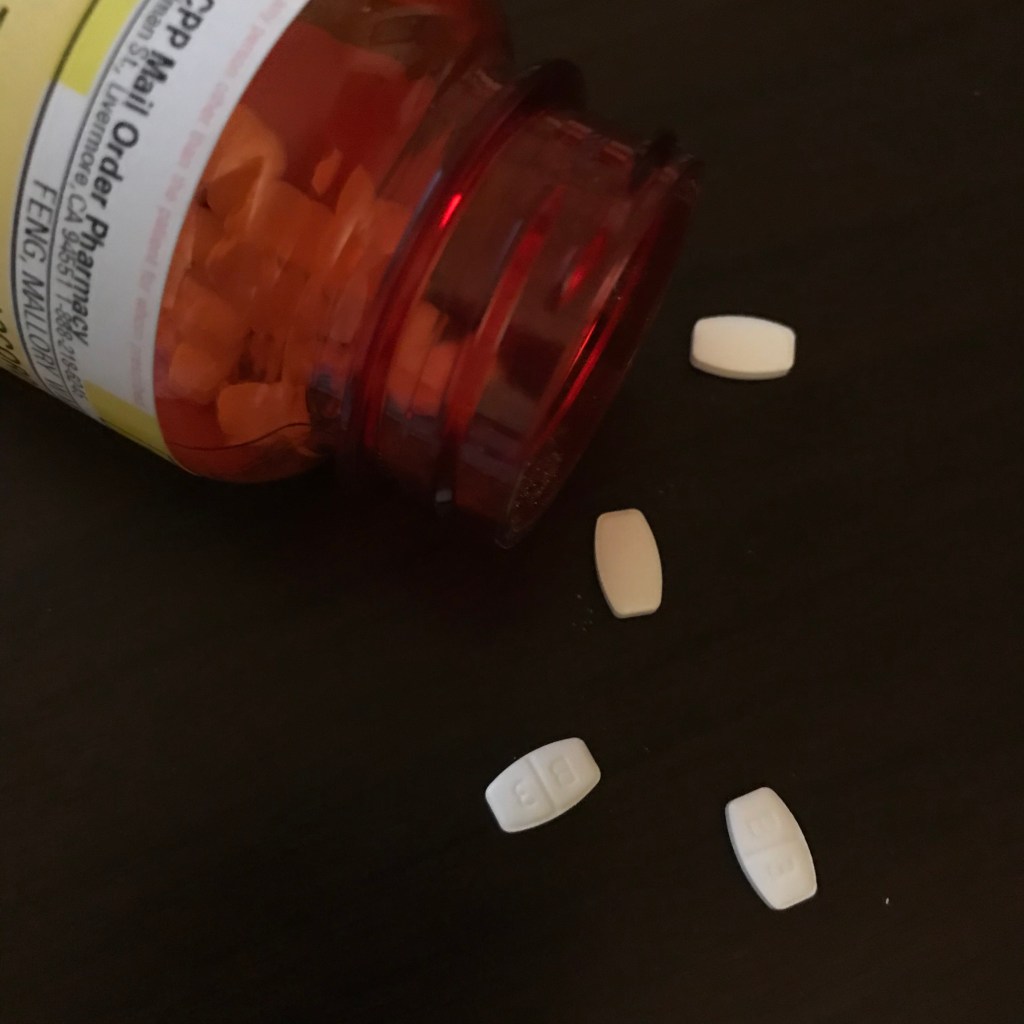
I don’t think I’ll tell them how scared I was sometimes. And worried. And so anxious that I drank too much wine and even when I told myself that I knew all the tools I could use to not be anxious none of them worked and that finally a doctor gave me some bitter pills.  

I don’t think I’ll tell them that.

Our current Guided Autobiography cohort went rogue and created their own theme and their own sensitizing questions. We wanted to capture this year – what 2020 has done to our lives, our health, our relationships. Wanna go rogue with me? A new 6-week GAB workshop begins on Thursday, October 14th from 4-5:30 PM.

Class size is limited to six. If you’re interested but want to know more you can leave a message at the bottom of this post. You can register for the class here.


Fell Down. Went Boom. Got Up.

Why does time slow down when disaster strikes? In the split second between the moment my toe caught the edge of the cracked sidewalk and I slid to a stop I thought the following:

  • oh crap
  • this is gonna hurt
  • it won’t be that bad
  • should I walk home
  • ouch this really hurts
  • I knew this was a bad idea

The first thing I did after the dust settled and before assessing the damage was to ascertain whether or not there were any witnesses to my awkward fall from grace. Nope. The walking heart attack at the bus stop I’d just run past – the guy with the stained teeshirt stretched over his burger belly was still staring at his phone. No judgement. At least he was still vertical.

The damage: one knee with a rapidly swelling bruise, one road-rashed kneecap, one scraped elbow and two sprained thumbs. Ok. I’d survive. But now what was I going to do? I was less than a mile into what I’d hoped would be a nice five mile shuffle. I could turn around and walk home or defiantly continue toward my goal. While images of Mary Decker Slaney and Zola Budd’s infamous 1984 collision flickered like a Wide World of Sports video in my brain (you have to be a certain age) I chose to compromise. I was too annoyed with myself to turn around but in too much pain to run. I kept moving forward, one step and then another.

That’s all we’re trying to do. Move forward. This is a time of collective, chaotic trauma and we are all figuring out how to navigate our present set of circumstances. But isn’t that what life is? Navigating the circumstances handed to us? Navigating the unknown? Still, the uncertainty of how this tragic blip in history will end has heightened anxiety and anger, fear and despair, loneliness and sorrow. 

Having journeyed through the other five, I find myself on the sorrow end of the spectrum these past few weeks. And running helps lift the sorrow from my shoulders. It’s how I self-medicate…along with my morning 300mg of generic Wellbutrin, a schedule so packed it leaves no room for process and an evening glass of Pinot. (Yes, I’m a flawed, sometimes depressed and happily medicated yoga teacher who enjoys a sip of wine at the end of her day. I’m human.)

But there’s a part of me who, after my little tumble, has become afraid to run. I’m trying to decide if it’s because falling hurts or because I’ve become older and believe it’s time to set aside the things I loved when I was younger.

I know that’s silly. Running gives me more than a tumble could ever take away. Running at dawn is just the best. The sound of my feet hitting pavement and finding rhythm with my breath is like meditation. Knowing that my bones and muscles will complain and then slip into gentle compliance is pure and joyful medicine for my soul.

Why would I ever stop? 

During this extraordinary time some of us are baking sourdough bread. Some of us are Marie Kondo-ing their lives and ridding themselves of things that don’t ‘spark joy’. Others are taking up new creative hobbies while still more are becoming creative thinkers as they chart a new course for their lives.

What are you doing?

I’m running.

Go back

Your message has been sent

Warning
Warning
Warning
Warning.


A Fresh Dawn

IMG_6311My bookclub met via Zoom on Wednesday. The book up for discussion was Pema Chodron’s When Things Fall Apart. It was published fifteen years ago but the gifts it offers are timeless. In these extraordinary times we would be well served to keep a copy nearby to dip into when life teeters on the precipice.

Something that was said last night has stuck with me. It was one of those observations that takes us from one point in the conversation to another. Just a toss off – nothing that we lingered on. In the book Pema advices us to breathe. We all agreed it’s easier to watch the news or scroll through Facebook or find a hundred other reasons why sitting still and taking a simple breath is not an option. This morning it’s the plaintive mews from Bruce the Cat.

My alarm rings at 5 AM. Bruce the Cat receives a bit of attention and a dollop of Oh My Cod or Salmon Enchanted Evening.  I’m at my desk with a cup of coffee by 5:15 AM. Five mornings a week I gift myself this wonderful hour of quiet solitude but the truth is that, until today, it’s been wasted on me.

My intention is to use this hour that glows with the breaking dawn to write or meditate or do both but as I sip my brew I’m reading daily briefing emails from Huff Post, CNN and the New York Times. Then I’m responding to messages that landed during the night. I cuddle Bruce the Cat for a moment and the next time I look at the clock that golden hour is gone. It’s time to say good morning to Ben the Human, to strap on my running shoes and begin my day.

Distractions. The emails, the social media, the news – during the first hour of my new day they fill my brain until there’s no more room for what fills my heart the same way eating candy before a meal leaves no room for nutrition.

What distracts you from the calls of your heart? 

My morning cruise through the news is nothing but a habit. The solution is simple. Break the habit. Create a new routine. Answer the call. Breathe.

We can find the motivation to do this by asking ourselves why it’s important. When we lost the structure to our days a few months ago we laid a new foundation and built a new structure. The foundation for my new reality is this hour. When I choose to scroll through emails the foundation weakens. When I answer the call of my heart – when I write – I feel strengthened.

This dawn hour is important to me because the discipline of writing sets the tone for my day. What do you do to set the tone for your day? To keep your foundation strong?

The 5:40 train to San Francisco rumbled through ten minutes ago and Ben’s alarm just rang. Red finches are spreading their wings and with raucous chirps are bullying their way around the feeder outside my door. The world is waking up and my hour is winding down.

It was a good hour. I think I’ll do the same thing tomorrow.


Guided Autobiography

9F61C78F-98F4-4952-B808-307B50D191E1_1_201_aThe global pandemic is forcing social isolation but technology can bring us together – at least electronically. When we come together with the intention of actively listening to the stories that have shaped our lives – even if it’s through Zoom – our hearts break open. We connect on a level that isn’t available in our day to day interactions. 

This June I’m offering a four-week Guided Autobiography experience. The date will be confirmed when I have the minimum number of participants. If you’re interested, continue reading then reach out via email (mimmpatterson@gmail.com) and I’ll send further details.

What is Guided Autobiography?

Guided Autobiography, a method developed by James E. Birren, is a semi-structured process of life review – an opportunity to reflect on our life story and to share it with others. Reflecting on our life through story supports our health and wellness and offers many emotional and mental benefits. Guided Autobiography creates the space for that reflection. It shines a warm light on memories and helps us to process ‘what came before’. It brings meaning to our lives and helps us to better understand our past and our present. Guided Autobiography shifts perspective.

Our introductory course will be just four weeks, with each weekly session ninety minutes long. We will work through four themes (the first being introduced via email) and each week share with others a two-page reflection written on that theme. We will ‘prime’ each theme with a series of sensitizing questions that are designed to assist in the recollection of memories related to the theme. The sensitizing questions encourage us to look at aspects of our histories that have been overlooked.

This is not a traditional writing class. We won’t be offering critiques to one another. Instead, we’ll be exploring self-awareness and human development. We’ll be sharing personal experiences. For that reason participants must agree to attend all sessions, to complete all writing assignments and to honor confidentiality – what is shared in Guided Autobiography stays in Guided Autobiography. We will create a supportive environment that accepts individual differences and will listen actively while others are sharing. 

I’ve been wanting to become a Guided Autobiography facilitator since I first stumbled upon the process while falling down an internet rabbit hole (the same way I discovered SoulCollage®). The pandemic and shelter-in-place order offered space for that to happen. I’m excited to now be able to share the process with others. 

Join me for this four-week, donation based course. Class size is limited to six.


Shuffling My Way Through the Pandemic

UnknownA ten kilometer fun run sponsored by Palo Alto Parks and Recreation in late spring 1986. An easy run that takes a sea of colorful souls from the smooth macadam near the golf course and the city’s single runway airport through Byxbee Park to the gravel packed levees that criss cross the Baylands on the Adobe Creek Trail. It’s a blindingly bright, still morning edging from warm toward hot and the tidewaters are retreating. There is the sharp stench of sulphur produced by bacteria digesting dead phytoplankton. In other words, on the day of this 10K, it stinks.
The uneven surface of the gravel levee slows my pace and the morning sun’s reflection on the water pierces my eyes like shards of glass. But I continue to force myself forward even as the runners overtaking me make me feel as if I’m not moving at all.

And then I stop. My body is like a horse refusing to move any further forward. I rest for a moment and consider my options. And then I begin to walk. The walk becomes a slow jog and then returns to walking as soon as my body realizes what my brain is trying to make it do. This back and forth between my brain and my body continues until I see the 10K Fun Run banner indicating the finish line. I shuffle across, collect my tee shirt, and, conceding there was nothing fun about this run at all, go home.

After that 10K my running schedule became erratic. I loved running but it was clear I needed a brief hiatus. It wasn’t my intent but my hiatus lasted twenty years, give or take a few. Running became, for me, like an old romance. There were wonderful memories but painful ones, too. Over the years I often asked myself, “I wonder what it would feel like to run again?”

I can tell you. It sorta kinda feels awful. But I expect that to change.

My bookclub chose for it’s May reading pleasure Kelly McGonigal’s latest book, The Joy of Movement. And recently the New York Times reported that there’s been an uptick in folks strapping on their old running shoes.

Armed with a nearly new pair of Hoka’s I decided to be one of those folks. It hasn’t been easy. Or pretty.

There have been years when I’ve not been particularly kind to my body but I’m in good health (knock on wood) with no heart, bone or blood pressure issues. With that in mind, and knowing my return to road running would be slower than the opening scene from Chariots of Fire (cue Vangelis) I didn’t feel the need to ask for a doctor’s approval. Instead I checked in with my favorite senior marathon runner and took additional advice from Juan Vigil’s book Seniors on the Run: Extending Your Life One Step at a Time.  Then I hit the streets.

On Day One I shuffle the length of one whole block. Four hundred feet if I’m lucky. And then I walk for two. I time my four hundred foot shuffles for when neighbors can’t see me. I know the exercise won’t kill me but it is quite possible I’ll die of embarrassment.

Seven days later and I’m no longer embarrassed by my shuffle nor am I embarrassed by my fifteen-minute-mile pace. I’m not looking for speed and I don’t intend to break any records. I’m shuffling to become reacquainted with a part of me that I miss. I’m shuffling because I never forgot how good running made me feel. Especially in the cool mornings with the smell of jasmine in the fresh dawn air. I’m shuffling because Kelly’s right. It’s joyful.

Besides, it’s never too late to begin again.


Guided Autobiography: My Aunt Mimm

One benefit of the lockdown: a calendar that has room for classes I’ve been wanting to take for more than a year. Cheryl Svensson’s Guided Autobiography class has been on my radar for over a year. Here’s one of my stories from the eight-week class.


IMG_6225My Great Aunt Mimm’s small apartment in Allentown, Pennsylvania had the soft scent of age with a dusting of Shalimar. Her’s was one of several apartments in a pale pink two-story stucco complex built in the 1930’s on one of Allentown’s broad, tree-lined boulevards.
When I close my eyes and wander back to that time and place I remember black out shades and Venetian blinds, a spinet piano in one corner and an early Hammond organ in the other. I can see her long hallway painted with shafts of light from the late afternoon sun. I can see the oak barrister bookcases, with a complete set of Harvard Classics and Aunt Mimm’s collection of tiny porcelain dogs.

These are my memories. But memories are nothing more than stories that change with each telling.

What doesn’t change is the warmth that I feel in my heart for Mildred Matilda Barber. As a young child surrounded by a strange cast of characters, my Aunt Mimm was a soothing constant. She was the one who read to me from storybooks she always seemed to have with her. She was the one who played Heart and Soul with me for hours on my grandparent’s upright or, in winter, suffered through Jolly Old Saint Nick as many times in a row as I asked, until I was certain that Johnny would get his skates and Susie her dolly.

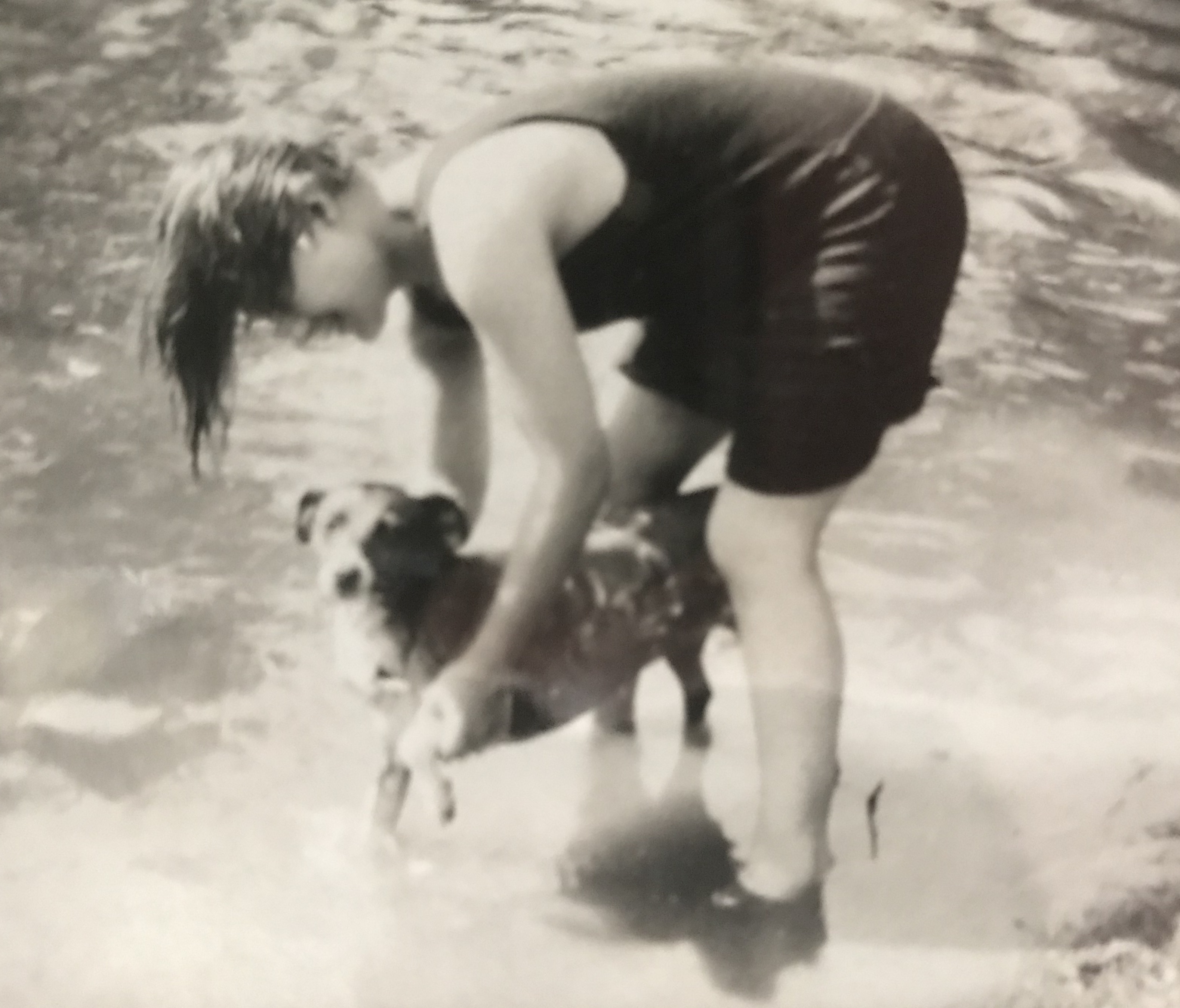
Aunt Mimm was a slight and gentle woman. Her personality illuminated a room not with a frenetic sparkle but soothing glimmer.  She had a solid sense of adventure but was not the type to convince anyone to take a risk. After graduating from Allen High School in 1916, and determined to continue her education, family legend has it that young Mildred visited the local bank seeking a loan to pay for college tuition. They say she pestered the exasperated manager until terms were agreed to and the papers signed.

6E34D4B0-66A3-4B12-B614-4F5025F5C42D_1_201_aShe attended Keystone State Normal School and began teaching with the diploma still hot in her hands. Aunt Mimm loved children and any child would be lucky to have her as their teacher. She loved dogs, too, and often brought her Jack Russell Micky with her to the classroom.
After retirement she traveled. Most often with friends. Once she brought me a tiny steel drum from a trip to Barbados. 

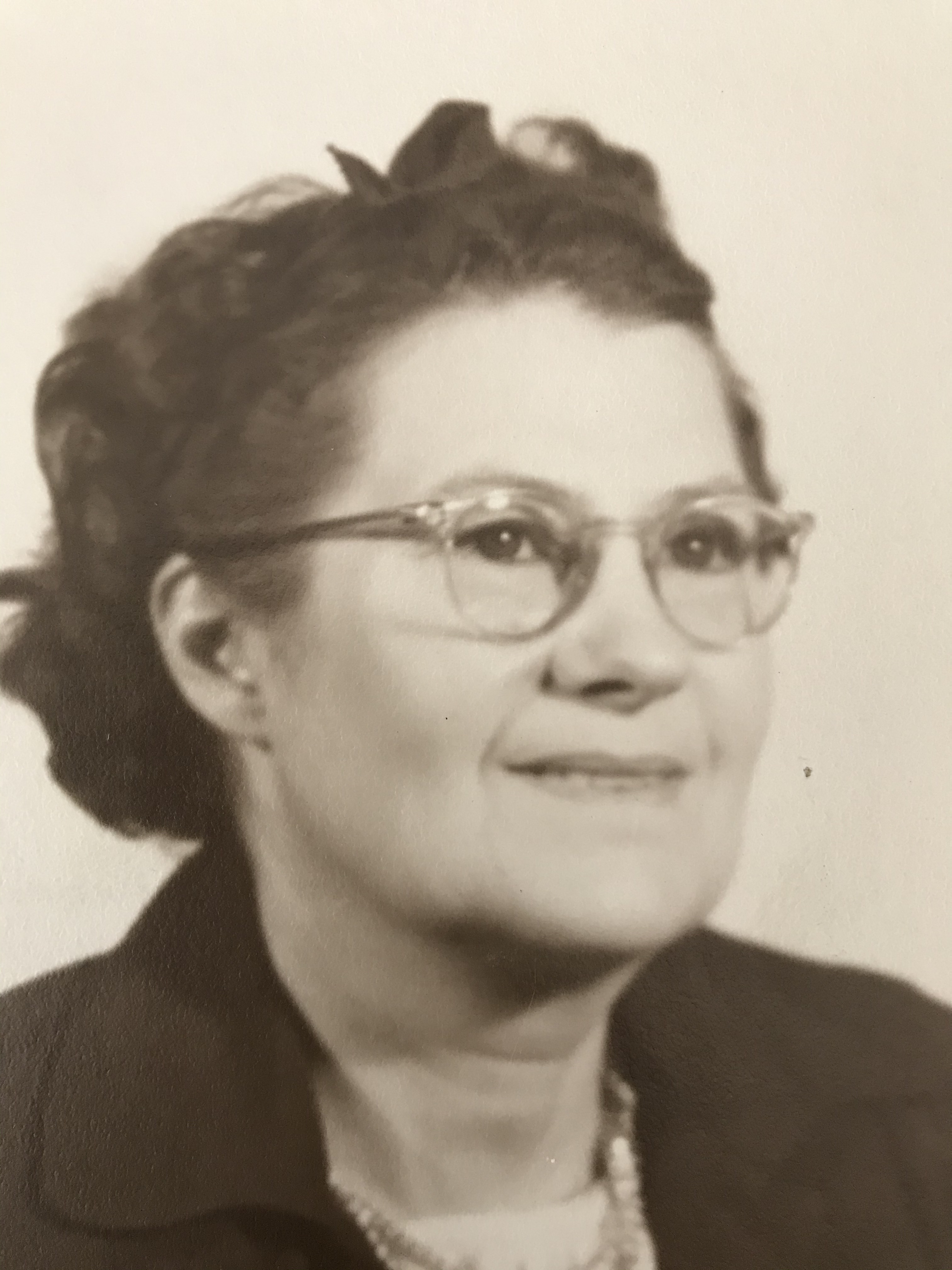
I don’t recall her ever driving. In my mind’s eye she is always dressed in a brown wool skirt that hits just below the knee, a matching cardigan over a white cotton blouse with a pixie collar, thick flesh colored stockings and sensible tie-up shoes. She never married. She never had children of her own. 

My Great Aunt Mimm was buried the morning of my ninth grade algebra final exam. A few days earlier I sat at her viewing with my mother, sister and grandmother on the funeral home’s hard mahogany folding chairs. Four women from the Order of the Eastern Star stood in front of her open casket and sang. I stared at the ruby red carpet not knowing what to do but certain that I didn’t want to cry.

It had been awhile since I’d seen Aunt Mimm. I was in the throes of becoming a hormonal teenager and she was old. My love for Aunt Mimm was muted by pimples and first periods, schoolgirl crushes and broken hearts. I didn’t have time to notice  when she became so lost to herself that a care home was the only option.  It was there that she passed in her sleep.

After her apartment was emptied my mother arrived home with a small bag holding a few porcelain dogs and some jewelry. I was given the gold mechanical pencil she wore on a chain around her neck when she was teaching. I still have that pencil. Her initials are engraved on the side. The spinet piano arrived for me, too, but before I left home for college my mother told me it had to go. And so I sold it to a music teacher for $200.

When I was thirty-five, I was an artist living rent free in exchange for light janitorial work at an art club in Palo Alto, California.  While I swept floors and cleaned studios, my friends were finding partners, having babies and beginning to make money in a fledgling Silicon Valley. 

IMG_6227People knew me as Robbi then, because that was my nickname, having been given the name ‘Roberta’ at birth. I put up with being called ‘Robbie the Robot’ – the character from the move ‘Forbidden Planet’ – in grade school, ’Roberta Flat’  – a play on singer Roberta Flack’s name – in high school, and ‘Rotten Robbie’ – after the chain of gas stations in our country’s middle – while attending college in Nebraska.
But in the summer of 1993, I decided to change my name to the only one that fit: Mimm.

Changing my name did not change my life the way I thought that it might. Still, I take comfort in knowing that twenty-seven years ago the universe had wonderful plans for me to which I was not privy. I also take comfort in walking through life with the same name as the one true and happy constant in my young life.


The Importance of Stillness

CIMG2291When I was a kid I spent most of my time in my bedroom. We lived in a former two-room schoolhouse that had been built in 1814 and converted into a home sometime in the 1950’s. My room still had the chalk trough running along one wall and when I pretended to be a ballerina like my best friend Leslie Merkle I used it as a barre. The trough ran through to the small room next door that had been converted into a tiny playroom. This room had a portion of the original blackboard. When my mom found an old desk from the school behind an out building she refinished it for the playroom where I pretended to teach Barbie, her best friend Midge an array of stuffed animals how to multiply. That room also held my awesome collection of Archie comic books and Classics Illustrated.
But most of the time I was in my bedroom. If I wasn’t playing my ukulele or guitar then I was playing records or lip syncing to Tony Orlando and Dawn with my hairbrush as a microphone. If that was too much action for me I was happy to sit on the wide windowsill writing or maybe watching the creek that ran behind our house. There were three lilac bushes near my bedroom window and I was content to close my eyes to let their scent wash over me.

I was content being still.

Since we’ve been confined to quarters I’ve thought about how, as a child, I was happy with my own company. Fifty years later I’m looking to my young self to help me navigate our current shutdown.

Of course, when I was a child the only way to stay connected to friends was with the one black rotary dial telephone located in my mother’s bedroom. We were one of five or six families connected by a party line and if Luella Welty, who lived down the lane, stayed on the phone for too long my mom would yell at her to hang up. 

There are no more party lines. Now we have Zoom and WebEx and FaceTime. We have Instagram and Twitter.  And as often as I’ve tried to quit Facebook, I just can’t. So although we are physically distant from one another, we’re not necessarily socially distant. It has made the art of stillness elusive.

Yet stillness is important. It’s the place where are heart rests. It’s where our brain stops listening to the mind’s incessant chatter and hears the birdsong instead. We need to have moments of stillness now more than ever. In an uncertain world, stillness is a refuge of peace and hope.


The Unnerving Unknown

Sometimes yoga teachers will cue students to step one foot back behind the other. For instance, students may be standing with both feet together in Mountain Pose and then asked to step the left foot three feet back to Warrior One.

As a young(ish) student, hearing Karl say ‘step your foot back’ filled me with unnerving dread. How was I to know what was behind me? What if an errant yoga block was precisely where I wanted to blindly place my foot? What if the floor had moved? It didn’t take much for me to imagine black, empty space where once there were solid planks of maple worn to a soft, golden patina by decades of practicing yogis. It seems silly now, but stepping my foot back without being able to see where it was going was too much like flinging myself into the unknown.

The unknown can be a scary place. And here we are, flung into the middle of it.  

This is a collective unknown. We are all experiencing the pandemic together, in real time. Some – like the residents of New York City – are closer to it than others. But we are, as the talking heads keep repeating, in this together.

Does that make it any less unnerving? It depends. We’ve all seen images of spring break revelers partying like it’s 1999, and we may have read the story of the B-list starlet who values her freedom more than her health. At the same time an enterprising man, upon hearing the news of the coronavirus, purchased every bottle of hand sanitizer he could find in order to sell them on Amazon for a healthy profit. After a few weeks of relying on people’s fears to make him a wealthy man Amazon got whiff of the scam and busted him. In the end he donated the remainder of his sanitized stash. And we’ve all stared in disbelief at the empty store shelves where once the Charmin Ultra Soft family of bears smiled down upon us. 

The cavalier youth, the freedom loving starlet, the enterprising man and those of us who believe toilet paper will save our heinies if not our lives – we have something in common. If we dig deep I bet even the man behind the sanitizer scam will admit to feeling uneasy about tomorrow.

But aren’t we always standing in the middle of the unknown? We can plan – and boy do I love to plan – but we really don’t know what will happen in the next moment let alone in the next year. 

It’s just that this unknown is too big, isn’t it? Maybe size doesn’t matter. No matter the unknown, our choices for how we handle the stress and anxiety are pretty much the same the same. 

  1. Know the unknown. What is a virus? What’s the best way to wash my hands? What else can I do to keep myself and my family safe and healthy?
  2. Break it down into sizable chunks. What do I need to do today? What can I do tomorrow?
  3. Prepare. Last week I channeled my inner Boy Scout and without being too excessive (except for the vanilla soy creamer I need for my morning tea) bought the foods Ben and I need for a few weeks. And then I made soup. A lot of soup.
  4. Breathe. When I feel the ‘winding up’ I do something my acupuncturist taught me to do years ago. She told me to breathe into my feet. It works. Visualizing the inhalation moving to the souls of the feet roots me to the earth. It re-establishes my equilibrium in a way I didn’t know was possible. Another technique I love is the ‘candle breath’.  Breathe in through the nose and then exhale through the mouth with pursed lips, as if blowing out a candle. Extend the out-breath until it’s a little longer than the in-breath. Your shoulders will drop away from your ears and whatever you anxiety you were holding on to will melt away.
  5. Move. I take mental health walks. When I walk there is a noticeable difference in my outlook and attitude. This week I learned that one walk every other day isn’t enough and so I’m beginning to take two walks – one in the morning and one after lunch. They keep me sane.
  6. Distract. I’m a sucker for sit-com bloopers. Or the cowbell sketch from Saturday Night Live. I’m trying to watch less news and to read more books. The kind with pages. Or I get myself wrapped up in ‘contemplative crafts’ – for this pandemic I’ve taken up making tiny baskets. They take more hours than I can count but their repetitive nature is meditative.
  7. Speaking of things that are meditative: meditate. I have the Headspace App but if you’re not into apps then just set a timer for five minutes, find a comfortable seat and watch your breath. When thoughts come up – and they will – without judgement notice that’s what has happened and then gently redirect your attention back to your breath.
  8. Speaking of the breath, tonglen breath is a beautiful practice that forces me to acknowledge the pain that the whole wide world is feeling now but it’s a practice that also offers me a technique to lighten the pain. Read Pema Chodron’s instructions for tonglen breath here.
  9. Support. I’ve found that it’s possible to keep my distance and still be helpful. Ben’s and my neighbor can’t drive and so yesterday he wrote us a list, gave us a debit card (that Ben sanitized) and I shopped. On my way I dropped off some soup at a friend’s house. Compassion and care for others is a reminder that it isn’t all about me.
  10. Ask for support. We are physically separated but not socially separated. Use your phone. FaceTime. Set up a Zoom Happy Hour. Find out if your favorite yoga teacher is running online classes. I’m so happy I took the plunge and set up my own classes. Staying in touch with my community has been a huge blessing. We know that we’re there for one another. Knowing that is all the support I need.

Stay safe. Stay healthy. 


The Gift, Part I

On Monday the 16th of March I left home halfway through the government’s daily COVID-19 press briefing for the thirty minute walk to Feinberg Medical Group where I teach yoga and meditative crafts to chronic pain clients.

When I walk to the clinic I am listening to the sounds around me. I hear dogs scolding me with frantic yips from their living room perch. The 1:40 southbound CalTrain screams its way toward its next stop. Traffic races down Alma and music pumps from transistors balanced on the tailgates of pickup trucks parked in front of green manicured lawns.  

The path I walk takes me past Palo Alto High School. Before the coronavirus closed Paly the school’s track would rumble with the footfalls of athletes, the coach’s loud shouts of encouragement and snide laughter from the bleachers. 

Decades ago I walked with a cassette tape Walkman and then, when they arrived, a CD Walkman. I graduated to an iPod and progressed to a Nano a few years after that. If I was walking my ears were plugged and my brain was pulsing with U2, Jackson Brown, the Eurythmics or (and this will really give away my age) Howard Jones. When I grew tired of music I’d listen to news. Music or headlines – it didn’t really matter. My brain was happier stuffed with something other than my thoughts. On the day I realized I’d arrived for my walk at Shoreline without my Nano I almost turned around. How was it possible that I’d be able to place one foot in front of the other without my Nano?

Somehow I managed. That was the day I realized the cry of seagulls and the sound of the wind circling through the rushes was better than Bono wailing about bloody Sundays and the incessant peal of the next breaking bulletin. 

And that’s why I missed the news of the Bay Area’s imminent lock down on Monday. I was too busy listening to the thrum of life. That’s why I was surprised by the frantic energy pouring from Trader Joe’s doors as I passed. It explains why, by the time I arrived at Feinberg’s all that was left for me to do was turn around and return home. The functional restoration program – the program of which I’m a part – had sent patients home.

Like so many others, in twenty-four hours I went from having an overflowing calendar to one that was near-enough to empty.

We’re facing a tremendous challenge. Nevertheless, six days in and I’m realizing what a gift I’ve been given.