Joy is My Weapon of Choice

For our third session of Guided Autobiography I chose the theme ‘joy’. Here’s how that went for me…

I can’t remember his name but I can see his face so clearly – the dark curls, the deep brown eyes full of life, the crooked grin – but his name? I can’t remember.
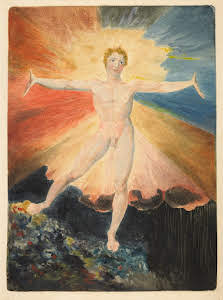
Why would I? I never knew the young man and besides, so much time has passed and so much has happened since then.

I move through life just like most folks do. I work hard. I’m responsible. I try to do my best. I don’t always succeed. 

I watch too much news. I support the resistance…whatever that means. 

And I don’t look for joy. I prefer for it to sneak up and surprise me.

Last Wednesday Ben walked into my studio and wondered how we will answer the question when someone asks, ‘What were you doing when all this happened’. Last Wednesday we had no idea how the world would turn by Friday.

On Friday I arrived at my art studio at 8:30 in the morning. I worked in silence. My only breaks being the yoga classes I teach through Zoom to students in California. At 3:30 in the afternoon the glass blowers who work from the studio across the hall arrived. They’re always loud and happy. And they don’t mind sharing their music which typically blasts with the same burning energy as their red hot furnace. I dull the noise by closing my door. I don’t ask them to change their ways because on occasion their joy is contagious.

But on this Friday my efforts to create something of meaning were failing and my brain hurt from the glass blowers shouting at one another in order to be heard above the pounding beats of heavy metal and hiss of fire.

I admitted defeat and packed my bags for the 30-minute drive home.

And on this Friday I took Old Garth Road to the Owensville turn off. This is the scenic route. A country drive. And why not? It was a beautiful day. Bright and clear in central Virginia. The mountains were a glorious blue. For the first time since we owned our Honda CRV I opened the sun roof and let the cool wind soothe my tired brain and for the first time, despite loving NPR’s Science Friday, the radio was off.

So it wasn’t until early evening on Friday that I learned about the bullies in the White House who scolded a hero for not wearing a suit. For not being grateful. It wasn’t until early evening that I came to the conclusion that everything I took for granted over the past sixty-six years of my life was gone. And now, instead of looking forward to retirement I’m looking forward to fighting fascism. And in that, I find no joy.

Joy, to me, feels like the sound of a piccolo. A bright note.A gleeful chirp.It wouldn’t be joy if it was a constant condition. If it was a state of being.That would be something else. That would be more like happy. And for heaven’s sake don’t confuse joy with bliss – a different kettle of fish altogether. Joy’s ephemeral nature makes it special. 

On Saturday I rose at 6:30. I was feeling wobbly from that second glass of wine I enjoyed with our Thai dinner the night before. I walked downstairs, chugged some coconut water from the carton, fed Tondu the cat and put on the kettle. While I waited for the water to boil I looked out the window and saw movement at the top of the barren tree on the far side of the retention pond. I picked up the binoculars that are always near by and watched a pileated woodpecker pile driving into the wood in search of breakfast. Watching him was a bright note in my morning. A moment of joy.

And then on Saturday evening I stood outside and watched the shallow bowled moon smile at Venus. I traced the ecliptic plane and found Jupiter and if I had not been so chilled by the blustery wind might have waited for the sky to grow more dark and for the red glow of Mars to appear. But it was enough to see that sliver of moon. My day bookended by the gleeful chirp of joy.

I read somewhere that moments of joy can over-ride fear we’re experiencing. I hope that’s true. 

Because I remember the young man’s name. His name was Hersh. Hersh Goldberg-Polin. During the early days after the October 7th terrorist attack in Israel it was impossible to comprehend the magnitude of the murders. It was easier to focus on one universe destroyed. One hostage. I focused on Hersh. He was the young man whose arm was blown off by grenades thrown into the miklat where he was sheltering with dozens of other young people who just hours before had been at an outdoor music festival welcoming a new dawn with joy-filled dancing. He was the young Israeli-American – born in Berkeley – who was shot dead days before he was to be released. 

What I hope for Hersh is that he was brave enough to remember – even as he suffered – the moments of joy in his life. And that by remembering the joy his fear was released.

Like I said, I don’t look for joy. I let joy sneak up and surprise me. 

But last Friday our slow descent into oligarchy became a free fall toward some weird, frightening fascist/nazi hybrid. Joy can no longer be the random trill of a piccolo that catches us by surprise if we’re going to survive the dark symphony of hate and lies that we are living through. Joy is where we gain strength. Where we set aside our fear. 

Joy is my weapon of choice. 

Family Jewels

At the start of each Guided Autobiography workshop I present the next meetings theme and the sensitizing questions. Two weeks ago I introduced the theme ‘jewelry’ with these prompts:

Is there a piece of jewelry that has been passed down from one generation to another? If so, what significance does that piece of jewelry hold for you? Is there a piece of jewelry that you would like to pass on to someone? To whom? Why?

Did you ever lose a piece of jewelry that you treasured? What did you do to try to find it? Was it ever found? If not, how did you deal with the loss? 

Did someone in your family wear a piece of jewelry every day? Was it a ring? A necklace? Perhaps a string of pearls? As a child did you wonder about that jewelry? Did you want to wear it yourself?

Two weeks later we shared our stories. Here’s mine:

Jewelry

My personal style leans toward Shaker plain. One Fitbit on my left wrist. For years my FitBits were worn with the company’s standard black neoprene watch band. Last year, when I purchased an upgrade, I decided it was time to push the boat out – you know – mix things up – go a bit girly. So I traded in the standard black for a delightful beige. Fancy!

But wait. There’s more. When I’m dressing up I add thin silver hoops to my pierced ears. 

That’s not to say I don’t wish I wore more bling. Good lord I’ve tried. After all, I have plenty from which to choose. I have jewelry boxes filled with generations of cheap cocktail rings from the 1950’s, necklaces my great-grandmother wore, a huge cameo ring – black onyx set in gold – that belonged to my grandfather, and a heap of cubic zirconium I have reason to believe my sister purchased alone, late at night, from the Home Shopping Network. And of course I have beautiful gifts of jewelry from my beloved.

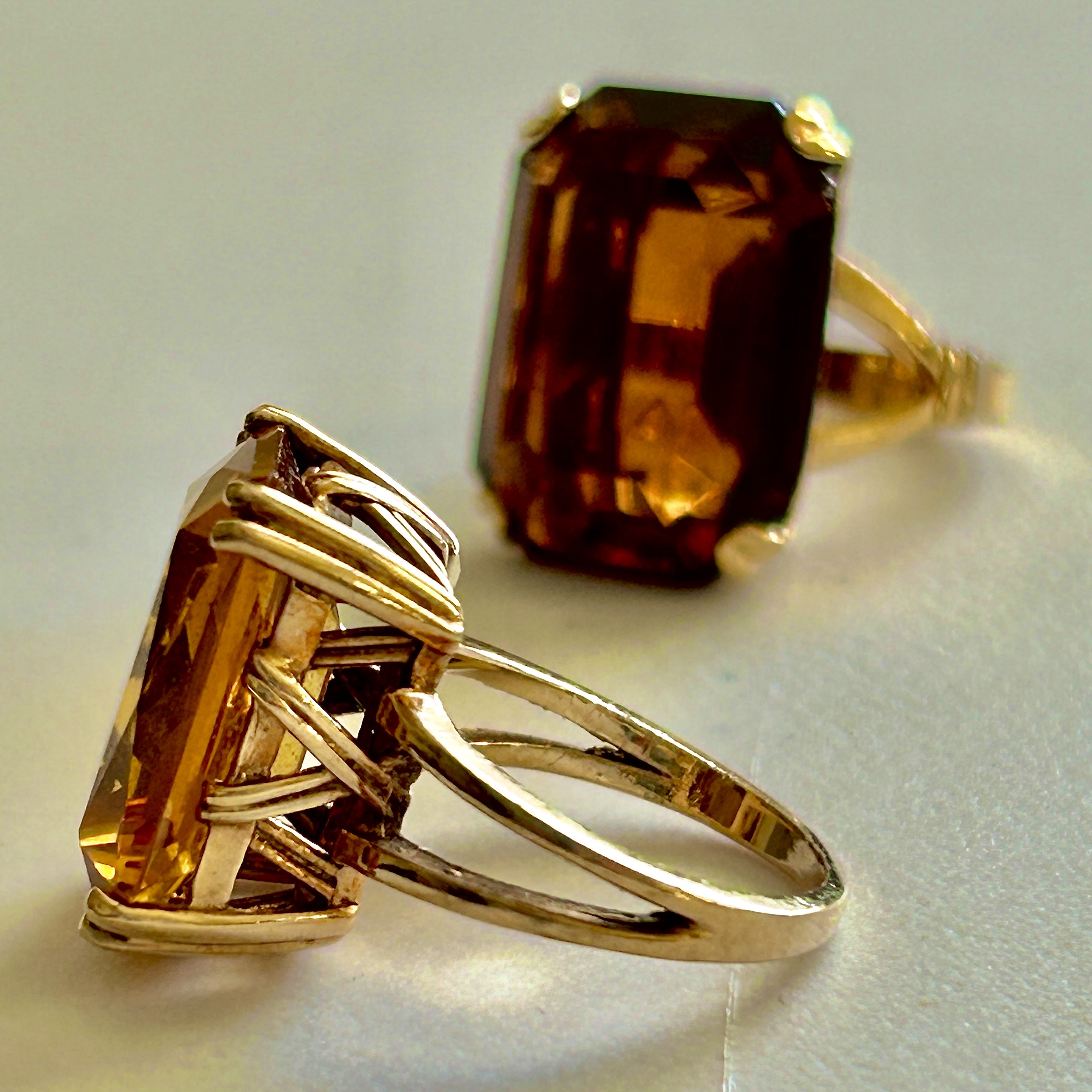
My mom loved bling. Especially on her fingers. In my jewelry box are huge gold rings with large citron, smoky topaz and aquamarine stones. I remember seeing her wear the smoky topaz as a child but I think the other rings were given to her by suitors after I left home. Their settings give off a late 1970’s big hair lounge lizard vibe.

Just ten years earlier the vibe leaned more toward Mother Nature, hippies, peace and love. My favorite ring of hers from that era is a large swirl of silver made to look like two feathers circling one around the other. The ring is set with large cabochons of turquoise and red coral. I love this ring. The truth is I’ve even worn it once or twice – but only to gallery openings – because it reminds of the type of jewelry older women artists wear. Of course that’s not even really a thing. Like, there’s no law that says older women artists have to wear chunky rings and statement necklaces. But some do. And I love a fabulous statement necklace on black cashmere. On someone else, of course. Far be it from me to even attempt to pull that off! But what I love most is the way this ring looks on an older hand that has spent a lifetime working hard and has the broken nails and torn cuticles as proof. 

There’s another ring from my mother’s collection that I remember from childhood. It’s a thick band of a unknown material made to look silver and carved with all the symbols of the late 1960’s – a smiling sun, a piece sign, an Egyptian ankh. I remember it belonged to a boy my sister Margaret was dating. And I remember  9-year-old me performing my version of Bob Dylan’s ‘Mr. Tamborine Man’ for him. Singing lyrics I carefully (and wrongly) transcribed from the record and accompanying myself with my baritone ukulele. He gave the ring to my sister and somehow it ended up in my mother’s jewelry box and now, a lifetime later, it rests in mine. I have no idea what happened to that boy but I want him to know his ring is in safe hands.

My sister loved bling, too. For as much as they disliked one another, my mom and my sister were two bitter, bling loving peas in a pod.

Margaret’s weakness was fake diamond engagement rings. A week after she died I arrived at her tiny one-bedroom apartment in Norfolk, Virginia with an empty duffel bag and a little more than 24 hours to find anything of importance. At this point what was left of my family was my mother and me and the deep chasm of estrangement seasoned with secrets never spoken. And that’s how I was left with the task of convincing the manager of the apartment complex that I was who I said I was and that’s how I was left with the pain of leaving so much behind. 

My sister hoarded. There were five vacuum cleaners in her bedroom. A closet filled to the breaking point with possibly every item of clothing she had ever worn as an adult. Dozens and dozens of rubber flip flop sandals. Shoeboxes filled with clothing she had sewn for her Barbie doll collection decades before. A freezer stuffed with frozen meals and cans of frozen vodka tonics. Stacks of books. Overflowing ashtrays. Half drunk cups of black coffee. Sadder still, a large box filled with a least one hundred unopened Beanie Babies – those popular, deliberately understuffed toys that during the late 1990’s people collected and resold for profit.

And then there was the jewelry. When I found the rings I hoped so much that the stones were genuine but of course, with a closer look, it was clear they were not.

Still, I put them in the duffle bag, along with three Beanie Babies (one for my mom and two for me), and a pair of orange rubber sandals. Other things, too. My sister’s tarot cards, some photo albums and other mementos that would remind me that she once lived. That I once had an older sister who, like our mother, loved bling. 

I hope they’re together now. Reconciled. Making jokes at my expense and trying on whatever heavenly jewels they can find.


Applesauce and a Jam

I returned to facilitating Guided Autobiography (GAB) online last week. I have an unconventional approach to these workshops. We’re working our way through the alphabet and for this series of workshops we are choosing prompts beginning with the letter ‘j’. Our first prompt was the word ‘jam’. The sensitizing questions encouraged us to consider jams we’ve made or help make, or jams we’ve experienced. I never made jam – I only ever made applesauce. But I’ve been in a few jams. Here’s a story about making applesauce with my grandmother and getting myself out of a jam.

My grandmother and I never made jam. We always made applesauce. My grandmother, Pauline, lived with her husband, Robert, in a red brick corner row home across the street from McKinley Elementary School on Poplar Street in Allentown, Pennsylvania. The school, red and as imposing to a young child as Uluru, was built in 1880. It was where I attended kindergarten and its playground where I learned to ride a bike. My grandfather hated having the school’s playground a stone’s throw away from the overstuffed chair where he read the Morning Call Chronicle, smoked his Chesterfield cigarettes and chased his whiskey with cans of Schmidt’s beer. In the summer, when his window was open and the kids on the playground were laughing too loud he’d hold himself up at the front door and cuss at them to shut up. That only made the kids laugh louder. 

While I was still in grade school my grandfather would on occasion settle behind the driver’s seat of his massive beige Chevrolet Bel Air and drive my grandmother the thirty minutes from Allentown to our home in Lynnport. This was before my grandfather’s smoking and diabetes caught up with him and doctors took his leg. It was before a tumor took his voice and the cancer took his life. 

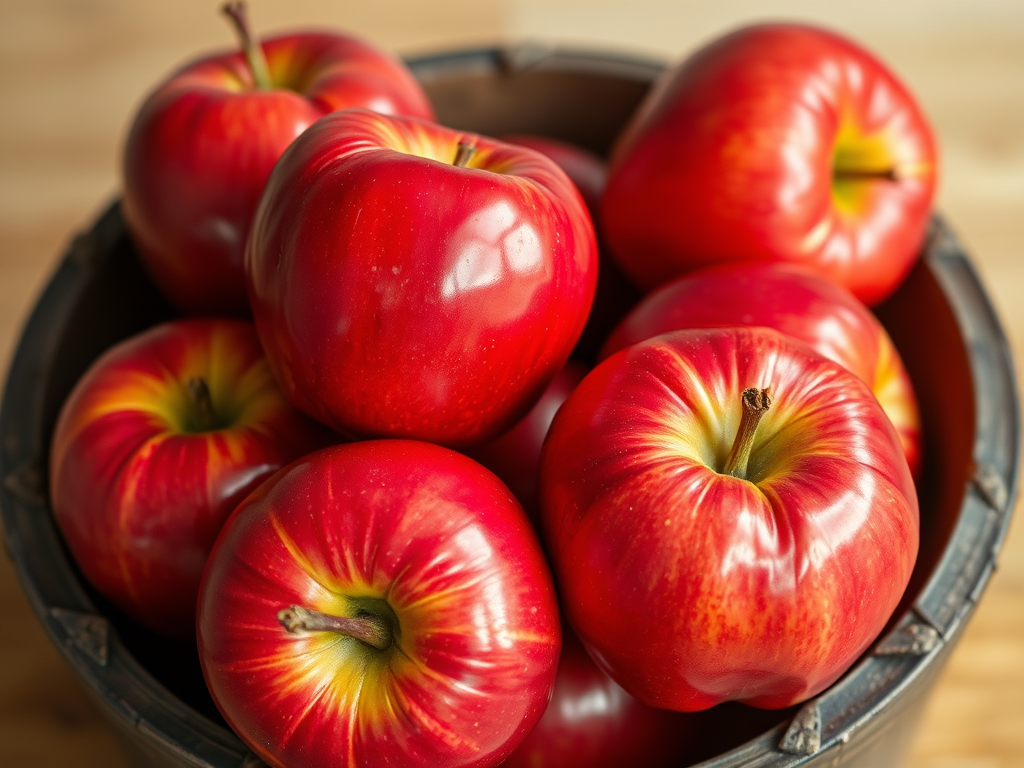
But when he still drove, my grandparent’s would visit their only daughter, my mother Barbara. If it was late summer and the start of apple picking season in Pennsylvania my grandmother would bring the tools we needed to turn the apples into sauce – a large, well-worn aluminum cone-shaped strainer, the wire stand that held the strainer upright and the massive wooden pestle with which we forced the peeled and cooked apples through the strainer’s tiny holes. The apples were bought in bushels from local farmers and by the end of my grandparent’s stay my grandmother and I had made enough sweet apple sauce to see us through the winter.

It was always applesauce. I don’t know why we never made jam.

Where I lived in Pennsylvania blackberries and raspberries grew in hedgerows and were free for the taking.

When the berries were ripe the kids in my gang (some names I remember and some names I’ve lost) would walk along the railroad tracks, past the swimming hole under the silver bridge, dodging deer flies and muskrats, to an abandoned house. Along the way we’d pick berries until our fingers were sticky and blue.

I don’t know the house’s story, who owned it and why it was left abandoned. But I remember the outer walls were all but gone filling what remained of the rooms with light dappled by overgrown trees, brambles and poison ivy. I remember, too, the smell of dust and mold and animals. I remember the shattered piano that had fallen through the first floor to the basement. And I remember climbing broken stairs to the attic. I was brave then, and climbed the stairs alone. Half the roof was gone but at the gabled end, resting on a wooden rafter, was an owl. In my memory he is huge and regal and the most majestic thing I’ve ever seen. There’s a moment when we look at one another, startled and in awe. But then my excitement gets the better of me and I shout to my friends. The raptor flies from one side of the attic and then escapes through the shattered roof and disappears into the woods.

It was in the 1970’s when we could leave in the morning, wade through creeks, explore abandoned homes and not come home until dusk.

I guess that’s why my mother never asked where I’d been.

That one day I’m thinking about, I’d been in a jam. 

He was a year older and already smoked cigarettes. He had piercing blue eyes and dark hair and most girls in my grade had a crush on him. So when he called me one afternoon – I didn’t even know he knew my phone number – to ask about an assignment he had for his history class and would I help him my racing heart said ‘yes’ even though it made absolutely no sense that he would ask for my help. When I arrived a friend of his was there, too. They’d just made a great fort in the barn from bales of hay and wanted to show it to me. I followed them into the barn. I was shown where to crawl in and it was only after I was halfway through the tunnel that I realized one boy was behind me and the other had entered through the other side. I was trapped between them.

These two silly boys thought they were going to get away with something but they didn’t. I wasn’t the girl they thought I was. I wasn’t ‘easy’. I didn’t ‘give out’. Even thought here really wasn’t that much else to do in Lynnport, Pennsylvania in 1974.

After twenty minutes we crawled out from the tunnel and I began to walk home with hay in my hair and the feeling that I dodged a bullet. As soon as I walked into the house I filled our clawfoot tub with scalding hot water and scrubbed myself clean.


Guided Autobiography & Earworms

What did you do during the pandemic? Some folks adopted dogs. Some binge-watched their favorite shows on Netflix. My beloved Ben decided to study the Polish language. I wasn’t quite that ambitious. I completed my Guided Autobiography training and became a GAB facilitator. Since then I’ve offered online workshops based on the GAB principles envisioned by Guided Autobiography creator James Birren. GAB workshops are not writing classes. There is no critique, no correction. The workshops are a place where we can tell our story and find connection. I provide a theme and a series of questions that dust off our memories and help us to tap into our truth. On the new GAB website they quote the late, great Brian Doyle:

“Stories change lives; stories save lives...They crack open hearts, they open minds.”

If you are curious about my workshops and would like to learn more please reach out. I’d love to tell you more about this beautiful process. In the meantime, here’s the essay I wrote for this week’s workshop:

Earworms and the Soundtrack to My Life

I am constantly reminding us to find one little moment to write about. I encourage us to avoid the helicopter view and instead reflect on a single day, a small incident, a remembered conversation and to focus our story on those moments. That’s where we might find the learning. And when we do that the writing can be more personal. Intimate and insightful.

Yeah. So I did not do that. What I wrote in response to our prompt ‘hope’ is more of a prologue to the memoir I will never write. Plus, it is filled with adverbs. And you know how I feel about adverbs. Nevertheless, here’s my story:

I’ve been pondering the word ‘hope’. What is ‘hope’? What does it mean ‘to hope’?  Despite the deep contemplation, those four letters have failed to trigger a reaction. It’s as if the word has been bandied about so often that it’s lost its potency, like an open bottle of champagne gone flat or an elastic waistband that has outlived its stretch and recoil. 

Do you remember the song ‘High Hopes’? Exactly what did make that little ant move a rubber tree plant? I mean, anyone knows an ant can’t, and where was she trying to move it to anyway? But according to the song it was her irrepressible high hopes that made moving that rubber tree plant possible. And sure enough, that little ant’s success was a reminder that hope and hard work can make anything possible. Boy-oh-boy did my fifteen-year-old Pollyanna-tainted heart just love hearing that message. I knew with absolute certainty that if I believed in myself enough, if I worked hard enough, if I was nice enough, if I was pretty enough, if I hoped enough then anything was possible. No matter my circumstances or the obstacles placed in my path the life I envisioned was mine just for the hoping.

I was in my mid-thirties when I realized the error of my youthful ways. As it happened hope was nothing more than magical thinking because life had a way of diminishing our Disney-fied technicolor dreams.

No matter. 

I was in my forties and living in Donegal, Ireland about half way through my eleven-year odyssey. A stow-a-way escaping her chaotic Bay Area life. But life wasn’t going as planned. The details are silly and inconsequential. In order to survive the hurdles I faced, I set aside hope and instead channeled resilience. It wasn’t easy and I had to land on rock bottom with a decisive thud but then a new song hummed its way into my heart. Somehow I found a way to pick myself up, dust myself off and start all over again. Which I did. Again. And again. And again.

And we all know my story. I found my way out of Ireland. Back to California for twenty restless years. Wait. Can that be true? Twenty years? Has it been that long?

No matter.

I came back to California like a newborn. Once again I found myself full of hope. Ready to not only survive but to thrive. But magical thinking took me nowhere. Even when I channeled my inner ram and tried to bust holes in a billion kilowatt dam. I never did break through. I just got myself covered in dust. Which, of course, I happily brushed off so that I could start all over again. I suppose if you were on the outside looking in on my life you might think I was doing well. And don’t think for a moment that I’m not grateful for all the opportunities that sometimes fell into my lap and that sometimes I fought tooth and nail for. Some of those opportunities paved the way for what happened next. So, you might be wondering, what happened next?

Love. Love happened. Somehow, when I finally knew that love would never happen, he found me. The moment I looked in his eyes I muttered to myself, ‘dammit’, because I knew that the life I’d grown accustomed to – a life that left me never feeling quite like the woman I wanted to be – a life that felt perversely comfortable – was going to change.

And life did change. 

Ben’s and my move to Virginia changed our lives. Changed my life. I’ve come around to the idea of hope again, but it feels different this time. It feels…hmmm…the only word that comes up for me to describe the hope I feel is expansive. I’ve even embraced my inner Pollyanna (except, of course, when watching our country’s perilous descent into autocracy and fascism…but we can leave that story for another time). Hope and resilience are companions that keep me thinking less about the future and more about the present moment. Somehow they’ve slowed me down. I enjoy watching dawn break. I watch flowers grow. I even find myself saying ‘hello’ to the occasional lamppost. 

Because life? I love you. All is groovy.


Delicious

This week marked the start of our first Guided Autobiography session of 2023. Our first theme? Delicious.

It’s my grandmother’s kitchen that I remember. 

Pastel drawing by the wonderful Lewis Silvers.

My grandmother, Pauline Barber Roth, was a good grandmother. That being said, Pauline hated my grandfather, her husband Robert, with whom she bickered on a daily basis. One could also assume Pauline hated her only child Barbara, my mother, with whom she shared the burden of my grandfather’s protracted illness and death and on whom Pauline counted after her tender, overworked knees could no longer carry the weight of her very short, very rotund body. What might be closer to the truth, however,  is that rather than hating her child, it was the circumstances of Barbara’s life that Pauline hated. Because once Barbara discovered that the curves of her body were her currency, she used her hips and breasts and thighs to purchase what she thought she wanted in a way that startled and embarrassed Pauline’s Christian sensibilities; that muffled Pauline’s compassion for her daughter like a too-long steamed Christmas pudding wrapped in tight swaths of wet, sticky cheesecloth and kitchen string.

My grandmother Pauline loved her church, which was the Trinity United Church of Christ on the corner of Linden Street in Allentown, Pennsylvania. The century old brick church had a steeple and real bells – not pre-recorded – and steps leading parishioners to two over-sized bright red doors that opened not to heaven but to a dark vestibule and then into the church’s dusty, Shalimar soaked sanctuary. Trinity United Church of Christ was one city block from Pauline’s narrow, two-story row home at 123 Poplar Street and it didn’t matter if her faith was real or imagined – Pauline waddled to the church in search of communion with God every Sunday morning. Quite often her youngest grandchild, whom Pauline also loved, skipped by her side. That grandchild was me.

Pauline demonstrated her love for me by keeping me very well fed. When I visited for the weekend – which happened quite often because my parents’ country band had weekend gigs in bars throughout the greater Lehigh Valley – she made sure to have tins of my favorite lace cookies baked to soft perfection. Or maybe tollhouse cookies made with M&Ms instead of chocolate chips. In the autumn we melted Kraft caramels over a double boiler and shoved popsicle sticks into apples to candy them. In spring, before Easter, we rolled coconut cream confections into thumb-sized egg shapes and dipped them into dark chocolate. And in mid-winter we mashed left over boiled potatoes with powdered sugar to make a dough. We rolled the dough into a thin and narrow rectangle on Saran Wrap stretched across grandma’s oilskin table cloth. After that a thick layer of Skippy Peanut Butter was spread on top of the potato dough which was then shaped into a long cigar and sliced into little pinwheel bites of sweet goodness. 

There is no question as to how I came to have such an insatiable sweet tooth.

More than the sweets, however, my grandma prepared for me lunches and dinners that make my mouth water almost sixty years later.

After the walk home from church, opening the screen door from the back porch into the kitchen guaranteed being met by the steamy aroma of pork loin in the pressure cooker. Sunday dinner was almost always pork loin served with sauerkraut, mashed potatoes, and a side salad made of English cucumber sliced paper thin, white onion sliced the same and dressed in nothing more than vinegar and a shake of black pepper.

But it was Saturday lunch that I loved the most. That was when I asked for anything I wanted and I only ever wanted  two things: either a minute steak sandwich or a bacon, lettuce and tomato sandwich. 

Minute steaks are very thin and lean and prone to being overcooked but with my grandma as chef that never happens. While I sit at her kitchen table reading Archie comics she begins by frying onions in her cast iron pan until they are brown and crisp around the edges. As they finish she pushes them aside with her spatula and adds the steaks. In the few minutes it takes for the meat to brown she pulls a bun from under the broiler that has been toasting open faced and dresses it with horseradish and ketchup that has been mixed together in a bowl. She layers one half of the onions, a thin slice of provolone cheese, the warm minute steaks, another slice of cheese and more onion then closes the sandwich, slices it on the diagonal and sets it on a plate in front of me with a small glass of 7-Up. The horseradish and ketchup make my mouth pucker. The cheese has melted and pulls away in strings when I take a bite. Juice from the steak  and greasy onions runs between my fingers. There’s nothing better. Nothing.

On warm and humid summer days I lean toward tomato, bacon and lettuce sandwiches. Grandma makes hers with three slices of toasted white Wonder Bread, a slather of Miracle Whip on each one, crisp iceberg lettuce from the fridge, tomatoes that taste like the sun and strips of bacon fried so they are neither too soft and fatty nor too stiff and crackling. She cuts the sandwich into quarters and pierces each quarter with a toothpick to hold everything together. The dance of warm, salty bacon, acid from the tomato, tart mayonnaise and cool, sweet lettuce is a level of deliciousness that my young mind can’t comprehend or put into words.

If I had known that my last weekend at my grandma’s house was going to be my last, or that the last lace cookie in the tin was the very last lace cookie, or that I would never be able to master Grandma Pauline’s pork loin or corn pie or potato candy or BLT I might have paid more attention. But a child doesn’t know about paying attention, or that things end. Besides, it never feels final, those last times together in the kitchen. Looking back I can see it was more like a slow fading away. 


Tell Your Joyful Story

Our experiences shape us. Define who we are. Our experiences influence our perspective on life. And the stories we keep of these experiences are important to share. Sharing stories from our life with others builds deep connections that otherwise may have never been made.

That’s what drew me to Guided Autobiography (GAB) and that’s why I lead 6-week Guided Autobiography workshops four times a year.

But there’s a problem with Guided Autobiography. The themes we are presented with more often than not lead us to explore in 800 words or less moments that are sad or heartbreaking. And while sharing our heartbreak helps us to process the event that caused our heartbreak, for our September session of Guided Autobiography I’ve decided we’re going to take a different approach.

We’re going to process our moments of joy. Because those moments, too, shape our perspective on life. Our next GAB workshop will offer themes that encourage us to recall experiences that made us happy. That brought us joy. Experiences that surprised us with a positive outcome.

There are a few spaces left in our Guided Autobiography: Lean into Joy workshop. The workshop begins on Thursday, September 15th from 2-3:30 PM PT/5-6:30 PM ET. Registration is as simple as an email. Tuition is on a sliding scale between $60-$120. Once I receive payment via check or PayPal you’ll receive GAB’s Zoom link.

Our past is filled with profound experiences that shaped us into the people we are today. Isn’t it time to remember the joyful ones?

A short video we more details about Guided Autobiography plus one of my essays written for GAB.

Guided Autobiography: Not a Writing Class

Our next six-week Guided Autobiography session begins Thursday, January 6th, 2022 from 2:00-3:30 PM/PST. Tuition is on a sliding scale of $60-$120.

Curious? Ready to dive in? Contact me for details.

Guided Autobiography is a powerful catalyst for improved self-esteem, self-confidence and communication within our communities and our families. 

Guided Autobiography is not a writing class and no previous writing experience is necessary. Guided Autobiography is a class that will make you laugh and cry. It will break you open in the most wonderful way. It’s an exhausting, exhilarating and soothing balm for the soul.

Since the mid-1970’s Guided Autobiography (GAB) has been a method for helping people document their life stories. Researched and developed by Dr. James Birrin, GAB leads us through themes and priming questions that evoke memories of events once known but filed away and forgotten. A new theme is introduced each week. We have seven days to ponder, remember and write two pages inspired by that theme. When we meet again we share our story. The sharing process forges a deep connection within the group. We gain a greater appreciation not only for our own lives but for the lives of other. Writing and sharing our life stories with one another in a safe space is an ideal way to find new meaning in life and to put life events into perspective.

Doesn’t that sound like a wonderful way to begin the New Year?


The Little Things

I’ve begun packing. Our new life on the East coast is still eight months away but I’ve begun to bundle in bubble wrap those things I don’t use but don’t want to lose. It would be far easier to send these silly tchotchkes to Goodwill – after all, they’re just ‘things’ – but I can’t seem to find the resolve. The attachment I have to them is visceral and giving them away at this point is like giving a part of myself away. I did not feel this way when I was younger, when I moved across an ocean and back again. Then, I gave most of what I had away to friends with ease. At the time it was like a cleansing but I realize now that I knew so very little about myself. I had no connection to my own history and thus no connection to the things I kept around me.

But now I do. And it’s these things I’ve packed away – my grandmother’s vase from Germany, the desktop magnifying glass my grandfather used to examine the coins he collected, the wooden puzzle boxes with inlaid images of Mount Fuji my sister and I were given as children, the Bible my mother carried with her through three marriages –  these things connect me to my past and to the blood flowing through my veins. They tell the story of who I am and how I came to be. 

These stories are important. And yet, if a calamity occurred and everything was lost the energetic imprint of these things I hold in my hand would still be held in my heart. 

With the image still fresh of Afghan families huddled by the perimeter walls of the Kabul airport desperate to board a flight that will take them to an unknown destination far away from where they are, and as Haitians emerge newly baptized by the waters of the Rio Grande to gather under a bridge in the sweltering heat of our southern border I am more than aware that the circumstances of my life are sweet blessings.

With that in mind, it’s healthier for me to see the task of deciding what to bring and what to leave behind as a joy rather than a burden. And in the process I can refine the vision I have of the life I want to live with my beloved human and beloved feline in rural Virginia. I can refine the vision of how I want to walk through a world that is so beautiful and fragile.


A Bitter Pill

What will I tell them? Ten years from now, maybe twenty – what will I tell them – the grandchildren Ben and I might have – about all of this? Will I tell them at first I didn’t know? That in the thirty minutes it took for me to walk from my home to the pain clinic where I worked the world shut down? How is that possible I didn’t know? When the clinic sent me home as soon as I arrived they offered no reason – only that our clients had left for the day. I didn’t mind that they hadn’t called to tell me. It was a beautiful day and I was happy to have a relaxing afternoon to myself. 

So I began my walk home at two in the afternoon, past the crowds at Trader Joe’s with shopping carts overflowing, down the bike path to Channing Street where the cars queued for the light at Alma to turn green with what felt like more than a little impatience. I walked past an empty Peers Park. I walked all the way home and still didn’t know.

Is that what I’ll tell them? Will I tell them that even though the air was filled with the same strange energy a person might feel after an earthquake – the same strange energy that makes everyone your friend – that I didn’t know?

I don’t remember how I found out – whether I turned on the news when I returned home or if I bumped into someone on the street. It doesn’t matter. What does matter is that when I found out everything changed. I crossed the street to Mollie Stone’s and wandered through the crowds among the rapidly emptying shelves until I found something Ben and I might need. Toilet paper.

What will I tell them? Ten years from now, maybe twenty. Will I tell them how our dear cat Bruce, a ginger memory by the time this year is decades in the past, woke me at 3 AM on a Sunday morning. How was it that the wind didn’t wake me first? And then the lightening came and it was both beautiful and tragic. One night a few days later I kept the window by my desk open and when I woke the next morning it was covered with the ash of other people’s lives. Will I tell them we were far away from the flames and still couldn’t breathe? Will I tell them the sky turned orange and the sun disappeared? And on that day everything was illuminated in a way that was both foreign and frightening? 

I wonder if I will tell them a man named George died with a knee on his neck? Or that a woman named Breonna was shot dead in her home. And that their deaths changed everything. Except I don’t know if that is true just yet. I hope it is. 

I wonder if I will tell them about a notorious grandmother named Ruth, and that when she died we lit candles on the steps of the Supreme Court and little girls wore lacy white collars. 

I might mention that it felt like a game at first. That we laughed at people hoarding even the things they did not need. But then we began to miss one another.  

We were angry when there were no more masks for the people trying to save our lives. And we cried when there were no more respirators for the people dying. I wonder if I’ll tell them that?

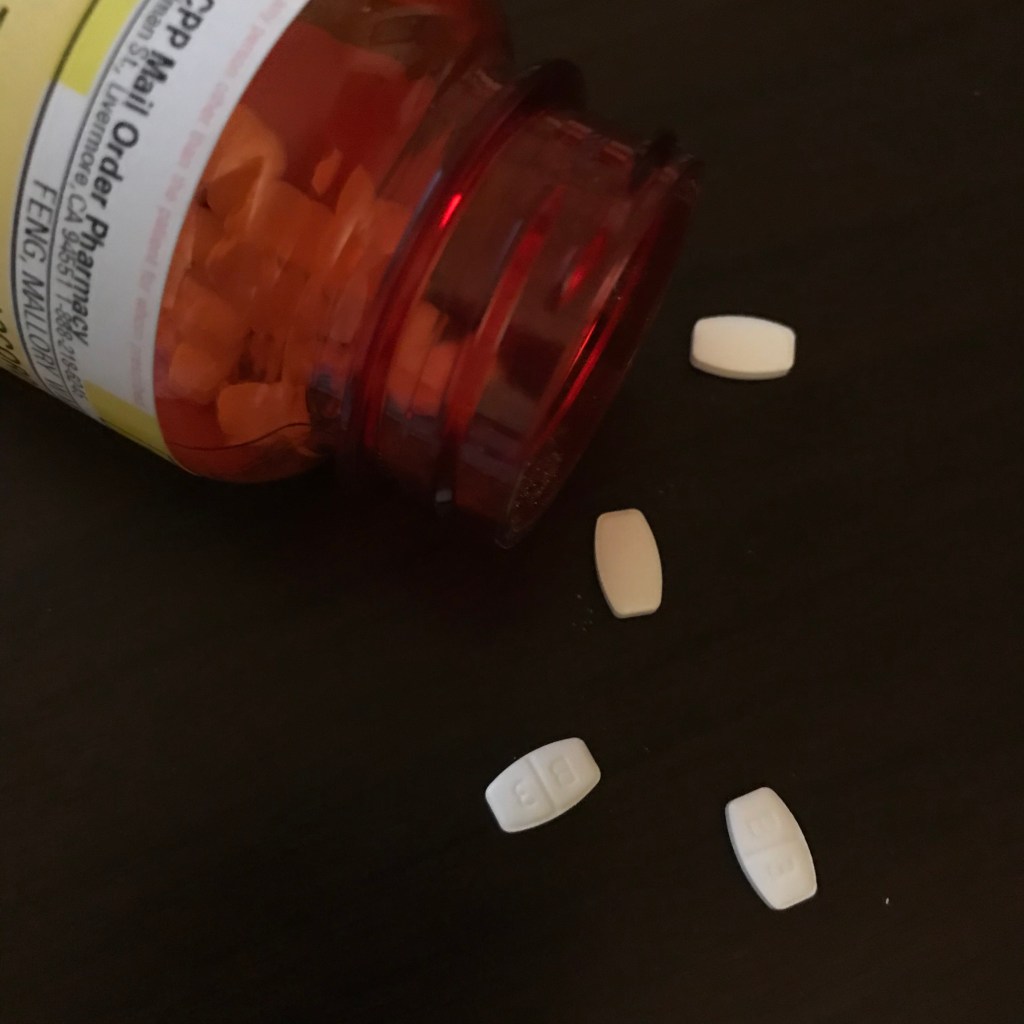
I don’t think I’ll tell them how scared I was sometimes. And worried. And so anxious that I drank too much wine and even when I told myself that I knew all the tools I could use to not be anxious none of them worked and that finally a doctor gave me some bitter pills.  

I don’t think I’ll tell them that.

Our current Guided Autobiography cohort went rogue and created their own theme and their own sensitizing questions. We wanted to capture this year – what 2020 has done to our lives, our health, our relationships. Wanna go rogue with me? A new 6-week GAB workshop begins on Thursday, October 14th from 4-5:30 PM.

Class size is limited to six. If you’re interested but want to know more you can leave a message at the bottom of this post. You can register for the class here.


Practically Twisted

5F257BA5-57C4-4C13-85AB-0570EB5B7E2E_1_100_oWhen I decided to create Practically Twisted it was because I wanted to present yoga and yoga therapy as a practical solution to health and wellness issues.

In the fifteen or so years since my first post I’ve continued my education and have grown as a student and teacher of yoga. I’ve grown as an artist and a writer. I’ve completed a master’s degree in transpersonal psychology, a diploma in yoga therapy and have become a SoulCollage® and Guided Autobiography facilitator. 

In 2020 I’ll complete a sixteen-month course of study in coaching and will begin David Emerson’s eight-month trauma sensitive yoga certification. 

I’ve changed. My teaching has changed. My attitudes have changed. In fifteen years my body, my yoga, my life has changed.

In these extraordinary times, everything has changed.

Practically Twisted is changing, too. This is who I am now:

“Mimm is a yoga therapist and transformational life coach with a passion for supporting personal journeys toward a more creative engagement with life through self-discovery, movement, writing and contemplative craft. She weaves a gentle and relaxed approach to both yoga and coaching with good humor and joy.”

Yep. That’s me. In addition to community zoom yoga classes and one-to-one sessions of yoga and therapeutic yoga, I’m now happy to offer transformational life coaching, Guided Autobiography for groups and individuals as well as SoulCollage for groups and individuals. Online contemplative craft classes will be coming soon.

Click on the appropriate page to find out more about coaching, SoulCollage®, GAB and contemplative craft. And join me in the morning for yoga.

Community Yoga Classes

Morning Flow

Every Monday, Wednesday and Friday from 8 – 9 AM

Brighten your morning with joy and good humor. This class is great for beginners and continuing beginners. Our practice includes deep, sustained stretches and a strong standing flow. Work at your own pace in your own space. Classes are donation based.

Zoom Meeting ID: 889 0996 9020   Passcode: yoga

PayPal

Movement & Breath: Gentle Yoga

Mondays from 9:30-10:15 AM

This forty-five minute class is designed for people with limited mobility or those recovering from illness or injury. A combination of chair and standing work, this slow paced class is about embodiment, awareness of sensations and breath.

Zoom Meeting ID: 853 3057 0467   Passcode: yoga

PayPal

If you are interested in working one-to-one please email.

I’m happy to arrange a free 30-minute phone or Zoom consultation.